- calendar_today June 4, 2026
Michigan residents may soon see a significant rise in their electric bills as the state’s two primary utilities, Consumers Energy and DTE Energy, seek rate hikes nearing $1 billion combined. The Michigan electric rates proposal could result in an increase of 9% to 10% for households if regulators grant full approval, heightening already pressing concerns about affordability in the region.
Utility Rate Hikes Confront Michigan Households
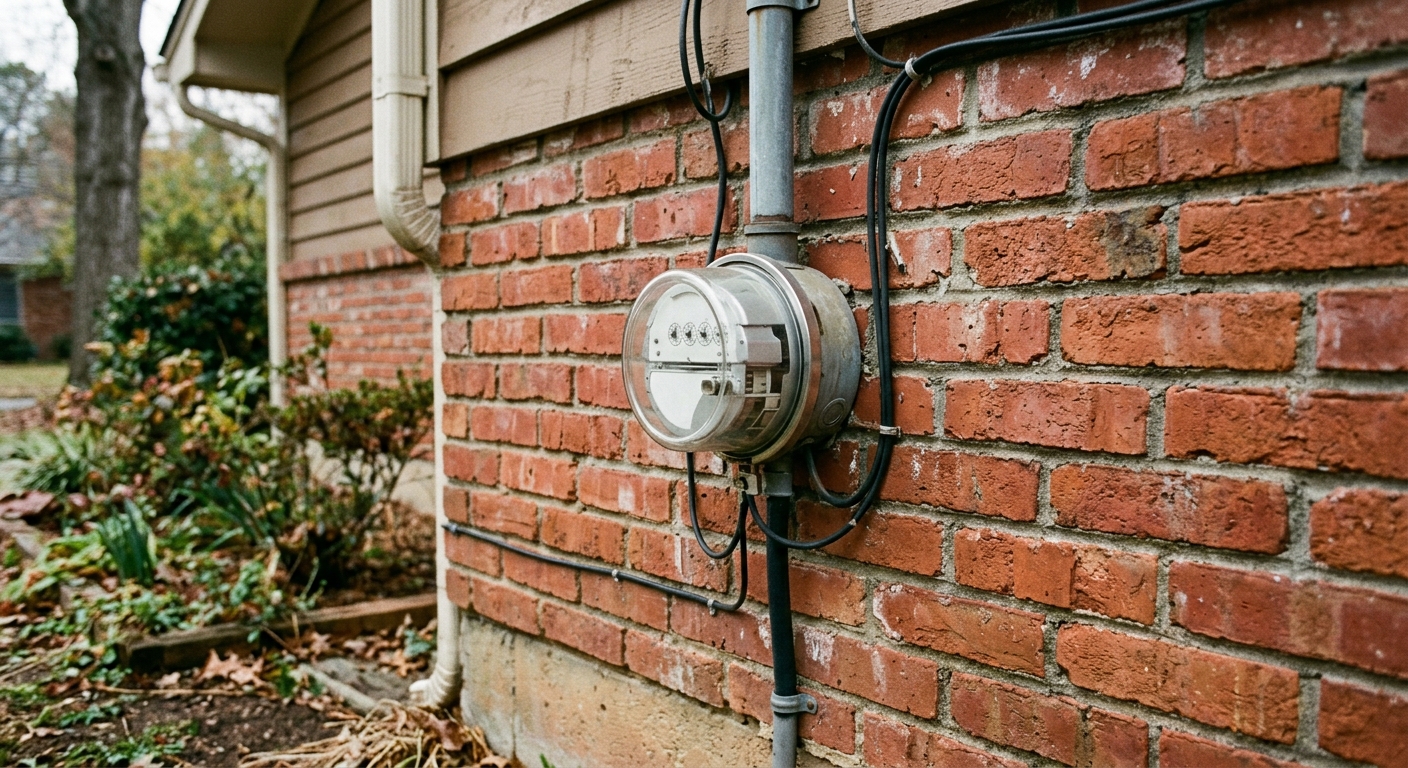
Electricity costs in Michigan have been on a steady rise, with the average rate reaching 21.20 cents per kilowatt-hour in March—substantially higher than the previous year’s average of 19.35 cents. Consumers Energy and DTE Energy cite the need for modernizing infrastructure and maintaining grid reliability as justification for the steep rate hikes. Both companies argue that increased energy demands and the necessity for reliable service underpin their requests.
Regulatory Oversight by the Michigan Public Service Commission
The proposed increases have not gone unchallenged. Michigan’s Attorney General intervention is expected, as Dana Nessel has announced plans to formally oppose the rate hikes before the Michigan Public Service Commission. Nessel asserts that such increases would unnecessarily burden consumers across Michigan, especially in vulnerable communities already affected by high electricity costs. The commission serves as the regulatory body responsible for analyzing evidence and public input before providing final approval or rejection.
Utility Donations and Political Debate
The debate over Michigan electric rates has extended beyond utility boardrooms to the political arena. Clean energy advocacy organization Climate Power has spotlighted the substantial flow of utility donations to political figures, particularly U.S. Representatives Bill Huizenga and Tom Barrett. Both lawmakers have received significant campaign contributions from the electric utilities and the oil and gas sector as part of fundraising efforts that have drawn scrutiny from advocacy and consumer groups alike.
Policy Impacts and Contested Legislation
Huizenga and Barrett supported President Trump’s One Big Beautiful Bill Act, a law that rolled back tax credits for clean energy sources such as wind and solar. Critics, including organizations focused on clean energy advocacy, argue that these policy changes could elevate energy prices further, compounding consumer costs already strained by current rate hikes. The intersection of utility policy and political influence has rapidly emerged as a focal point for voters and advocacy organizations in Michigan.
Consumer Response and Political Ramifications
Public concern continues to rise as communities across Michigan voice their opposition to the proposed increases and the influence of utility donations in state and federal legislative decisions. The potential for higher electricity costs has prompted calls for increased transparency in political fundraising and regulatory oversight. As the Michigan Public Service Commission weighs these proposals, local stakeholders, including consumer advocacy organizations and municipal leaders, are urging a careful review of both immediate and long-term effects on regional affordability.
Looking Ahead: A Pivotal Issue for Michigan’s Future
The combination of rising Michigan electric rates, political scrutiny over campaign contributions, and regulatory intervention signals a turbulent period ahead for the state’s energy landscape. With the attorney general intervention underway and widespread focus on the role of utility policy in both economic and political realms, the outcome of this controversy will likely influence voter sentiment and policy direction throughout Michigan. Residents, advocacy groups, and policymakers alike are watching closely as decisions by the Michigan Public Service Commission are set to shape the energy future of the region.