- calendar_today June 6, 2026
LANSING, Mich. — Medicaid coverage in Michigan is set for significant transformation as the state grapples with sweeping federal policy changes that could affect hundreds of thousands of residents.
Policy Overhaul: Understanding the One Big Beautiful Bill Act
The passage of the One Big Beautiful Bill Act in July 2025 ushered in the nation’s most consequential medicaid changes in over a decade. Signed into law by President Trump, the legislation introduces stricter medicaid eligibility requirements, including mandated work or volunteer hours, and more frequent medicaid redetermination processes. As the guidelines take effect January 1, 2027, state officials are preparing for a period of implementation and adjustment.
Coverage At Risk for Thousands of Michiganders
Under the new medicaid policy, eligibility reviews will become more frequent, challenging many recipients to navigate a complex bureaucracy. Analysts warn that the changes could result in as many as 7.5 million Americans nationwide losing health care coverage by 2034, with Michigan medicaid recipients among those most vulnerable. Local projections suggest that approximately 355,000 Michigan residents risk losing coverage if unable to meet the new requirements, highlighting a major concern for healthcare access across the state.
The Role of Community Based Organizations
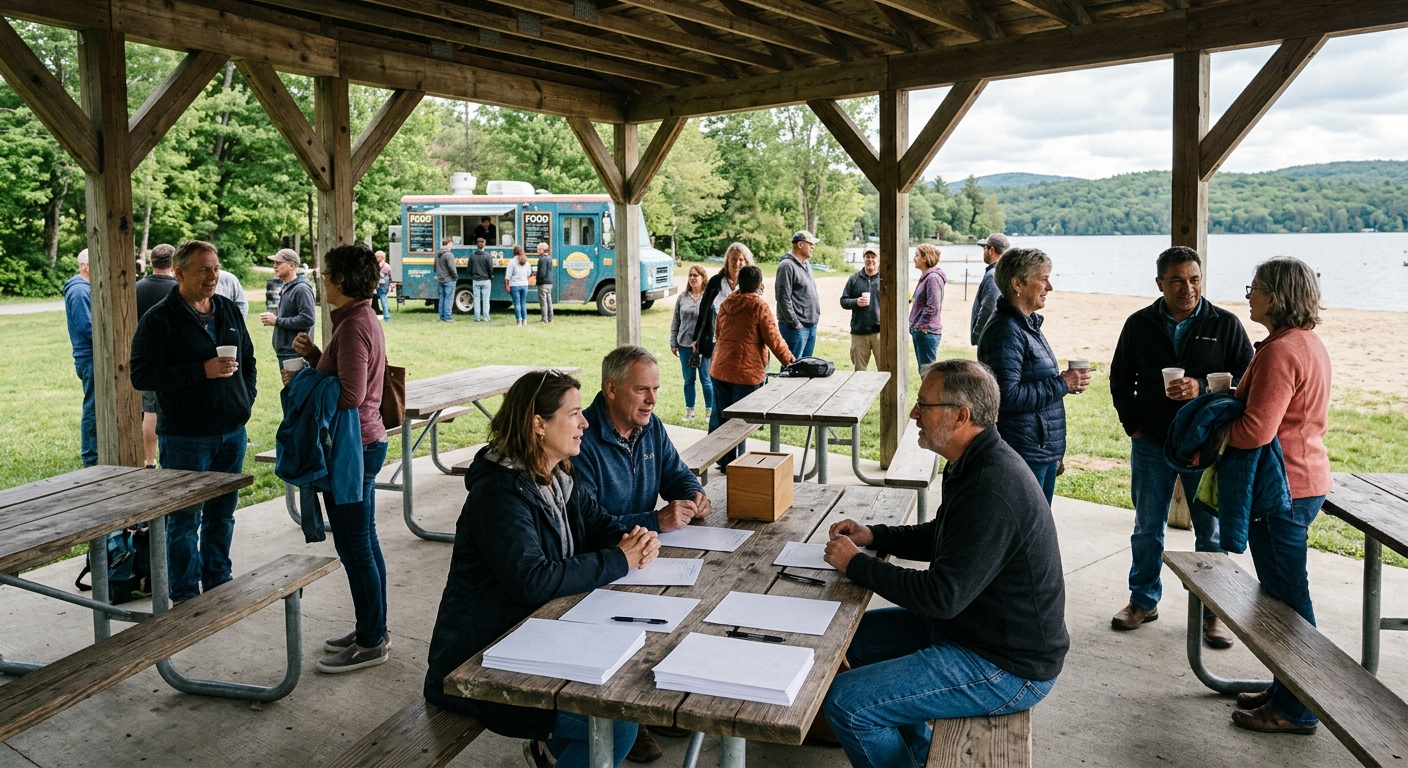
Health policy experts and advocates emphasize the importance of community based organizations (CBOs) in helping residents understand and maintain their medicaid support amid these sweeping medicaid changes. CBOs—trusted entities embedded within local neighborhoods—have demonstrated effectiveness in reaching underserved populations, providing support for navigating eligibility documents, enrollment, and understanding rights and responsibilities under Michigan medicaid.
State Leadership and Budget Priorities
Governor Gretchen Whitmer’s FY2027 budget proposal includes $11.7 million designated for medicaid beneficiary support, with advocates urging that these resources be directed specifically toward CBOs. These organizations are well-equipped to deliver the hands-on assistance—education about medicaid redetermination, ensuring proper paperwork, and maintaining continuity of care—that is increasingly essential under the revised medicaid policy framework. By prioritizing local engagement, Michigan aims to shield its residents from the harshest impacts of federal policy shifts.
Supporting Vulnerable Populations Amid Eligibility Shifts
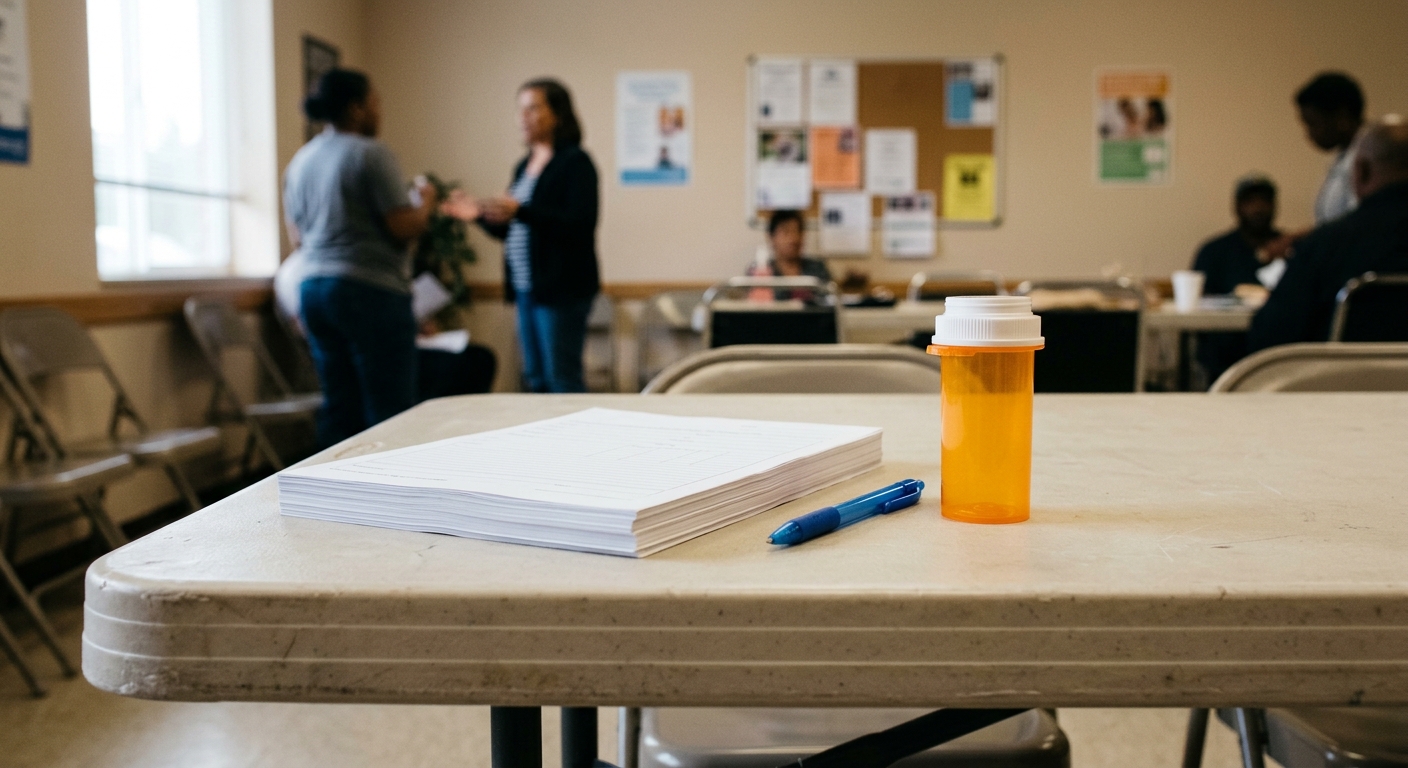
Continuous health care is essential for well-being, especially for individuals with chronic conditions and those facing financial hardship. The newly mandated medicaid eligibility and work requirements may introduce barriers for enrollees already struggling to access medications or understand program rules. State agencies are being called upon to improve communication with medicaid beneficiaries, simplify instructions, and offer guidance through trusted channels to ease the transition and prevent lapses in coverage.
The Path Forward for Michigan Medicaid
As the One Big Beautiful Bill Act transforms the medicaid landscape, Michigan stands at a critical juncture. Strong collaboration among state agencies, community based organizations, and health policymakers is essential to prepare for the coming changes. Ensuring residents remain covered will require targeted support, robust outreach, and flexible strategies to respond to challenges as they arise. In the months ahead, the resilience of Michigan communities—and the systems built to support them—will be tested as medicaid coverage requirements evolve.