- calendar_today October 9, 2026
Noticeable Increase in Yellowjackets Across Michigan
In recent months, many Michigan residents have reported a surge in yellowjackets around their homes and neighborhoods. The increased presence of these buzzing pests has led to concerns about safety, particularly as cases of stings and aggressive behavior have risen throughout the state.
What Makes Yellowjackets Different?
Yellowjackets are often mistaken for bees, but they are typically more aggressive and can both sting and bite. This aggression becomes most pronounced during the late summer and early fall, making encounters more likely as the seasons change.
Understanding Yellowjacket Behavior and Population Rise
Dion DeGennaro, president of Sergio’s Pest Control in West Bloomfield, attributes much of the yellowjacket population rise to a process called trophallaxis — a method by which insects directly transfer liquid food and bodily fluids among themselves. Normally, yellowjackets feed on bee larvae within their colonies. However, as bee colonies die off in late summer and early fall, the yellowjackets' main food source diminishes, causing them to become more desperate and aggressive in seeking alternatives, including human food.
DeGennaro notes that southeastern Michigan has seen especially large numbers of yellowjackets in recent years, correlating with the observed rise in stings and aggressive encounters.
Expert Perspectives on Yellowjacket Aggression
Sarah Hughson, an arthropod diagnostician at Michigan State University, explains that yellowjacket behavior changes noticeably as food sources dwindle late in the season. “Yellowjackets start to build their nests and populations during the early summer times. They reach their peak during the late summer and early fall and become more aggressive due to stress from declining food sources,” says Hughson. She notes that people are most likely to be stung during this period, as yellowjackets search more actively for sustenance.
Personal Experiences with Yellowjacket Stings and Allergies
Residents such as Farrin Forsberg of Okemos have felt the impact firsthand. Forsberg reported a significant increase in yellowjackets around her property this year, remarking, “They seem a lot meaner than previous years.” After repeated stings, she developed a severe allergy and experienced anaphylactic shock, requiring emergency medical treatment. This case highlights the added dangers that yellowjacket stings can pose, particularly for those who become sensitized over time.
Prevention and Control Tips for Michigan Residents
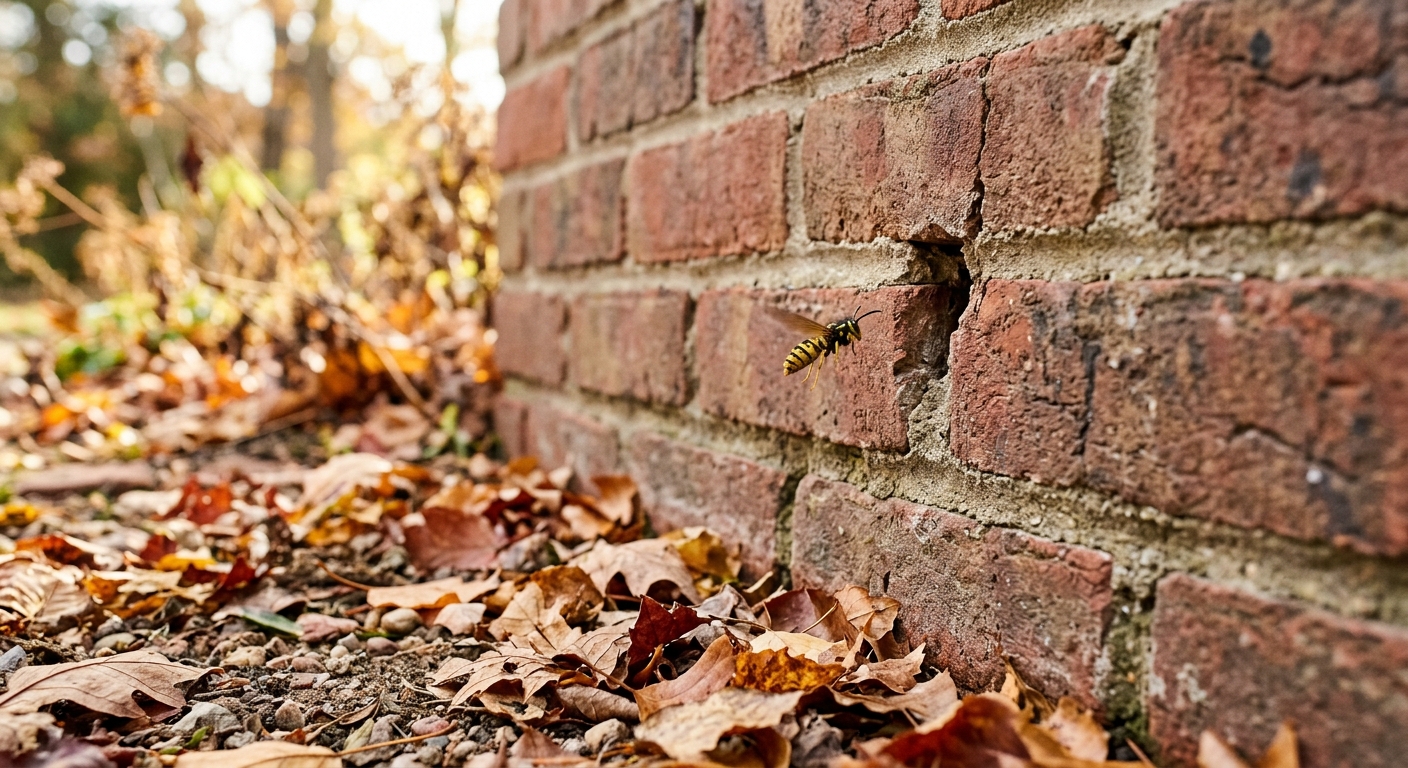
Managing yellowjacket nests and avoiding stings can be challenging. DeGennaro recommends contacting professional pest control if a nest is discovered. He also advises homeowners to watch for small holes in their yards while gardening or mowing and to be cautious near bushes and gaps in house siding, as yellowjackets tend to build nests in these areas.
Vigilance and early intervention are key to minimizing the risk of yellowjacket stings and mitigating their growing presence during the fall.
Source: bridgemi.com.