- calendar_today October 13, 2026
The Origins of Pheasants and Their Journey to North America
Many people believe pheasants are native to North America, but these birds actually originate from Eurasia, where several subspecies can be found across various regions. The migration of pheasants beyond their native lands began with the Romans, who acquired them through trade from areas such as Persia and the Black Sea region. For the Romans, pheasants were a form of portable livestock, valued for both their meat and eggs. Some birds inevitably escaped and adapted to new environments, freely propagating, often hybridizing with other subspecies in the wild.
Development of the Common Ringneck Pheasant
A dominant trait among many wild pheasants is the white band encircling the roosters’ necks, giving rise to the "ringneck" pheasant—a hybrid that would become known as the common pheasant. This subspecies has seen widespread introduction across the globe. Since Roman times, pheasants have been well-established in the British landscape, which is believed to be a foundational region for the sport of pheasant hunting. Influenced by the British, early North American settlers made several attempts to introduce pheasants during the colonial era, but these efforts failed, likely due to unsuitable habitats and harsh winters.
Successful Pheasant Introduction in North America
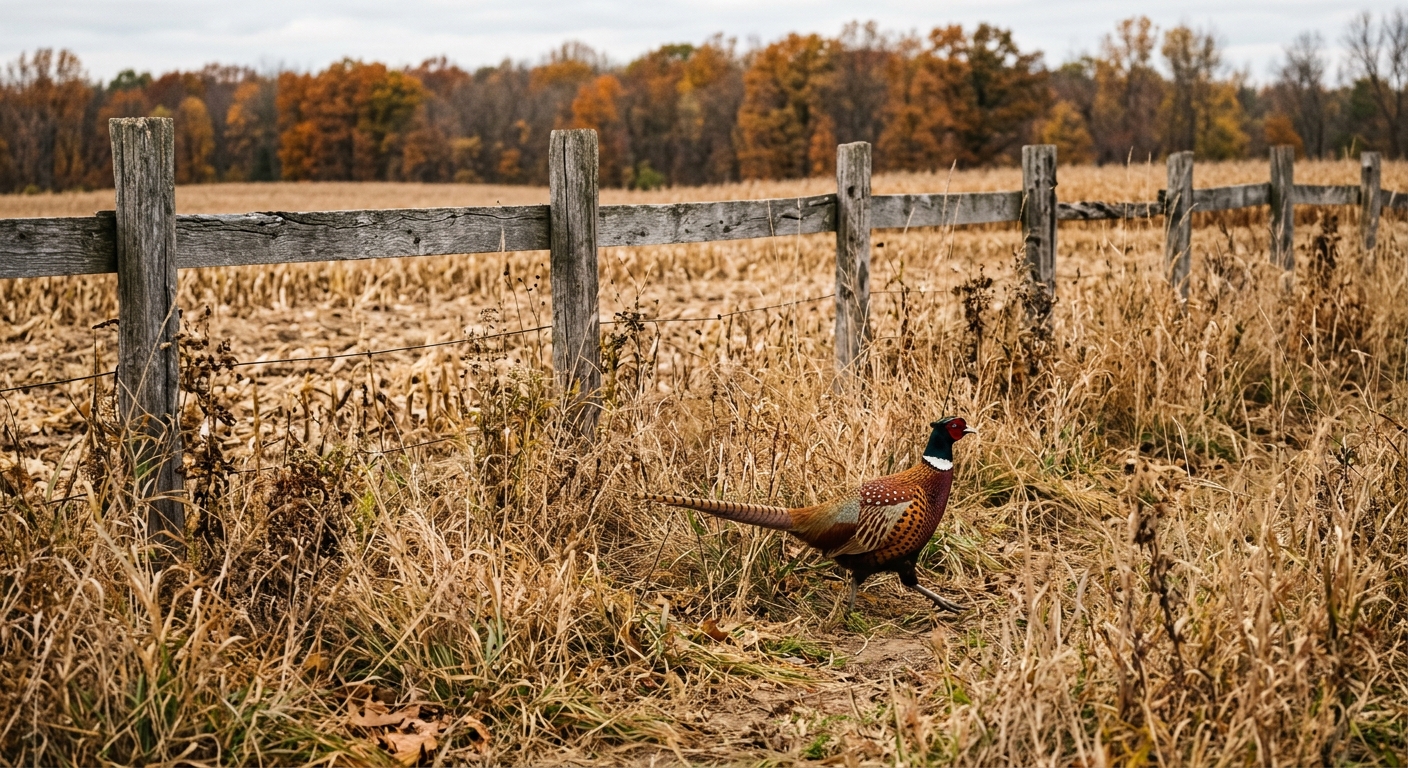
Pheasants favor grasslands and agricultural landscapes with ample food, cover, and nesting spaces. Their first successful introduction in North America occurred in Oregon's Willamette Valley during the early 1880s, thanks to Owen Denny, the U.S. consulate in Shanghai. After enjoying pheasant dishes in China, Denny shipped pure “Chinese ringnecks” to Oregon, where they thrived in the local habitat and multiplied rapidly. The first organized pheasant hunting season in Oregon followed just a few years later, resulting in high harvests and sparking national interest in pheasant introduction for sport.
Pheasant Introduction in Michigan and the Rise of Hunting
Following Oregon’s success, other states, including South Dakota (where the pheasant became the state bird in 1898) and several Midwest states such as Michigan in 1917, established their own pheasant populations. In Michigan, mixed subspecies known as "common ringnecks" were released, frequently using trains to distribute birds across the southern part of the state. Michigan’s first pheasant hunting season opened on October 15, 1925, yielding a record number of harvested roosters. Pheasant hunting quickly became the state’s most popular hunting pursuit, leading small game hunters to far outnumber deer hunters for the next four decades. Schools even closed on opening day, and local businesses thrived from the influx of visiting hunters, experiencing what could be called an economic boom.
Pheasant Population Decline and Conservation Efforts
This golden era began to wane in the mid-1960s, as pheasant numbers dropped sharply in southern Michigan. Schools stopped closing for the pheasant opener, and the crowds of visiting hunters diminished rapidly. The primary cause of the pheasant population decline was loss of pheasant habitat—changing agricultural practices, such as fall plowing, expanded use of herbicides and insecticides, and the consolidation of small farms into larger tracts led to the removal of vital cover like fence rows. Pheasants, adapted to very specific habitat needs, saw those requirements diminish due to these modern farming methods.
The Role of Conservation Programs and Continuing Traditions
Despite the decline, pheasant hunting traditions endured. When federal conservation programs emerged in the 1980s—such as the Conservation Reserve Program (CRP), which paid farmers to set aside and replant grasslands—pheasants responded positively by increasing in number where suitable habitats returned. However, CRP lands remain limited, making wild pheasants in Michigan a "pocket-bird," found primarily in isolated areas of good cover. While the widespread atmosphere of Michigan’s pheasant hunting heyday may never return, wherever appropriate habitat exists, pheasants continue to thrive and the tradition of pheasant hunting remains a cherished social event each fall.
Source: manisteenews.com.