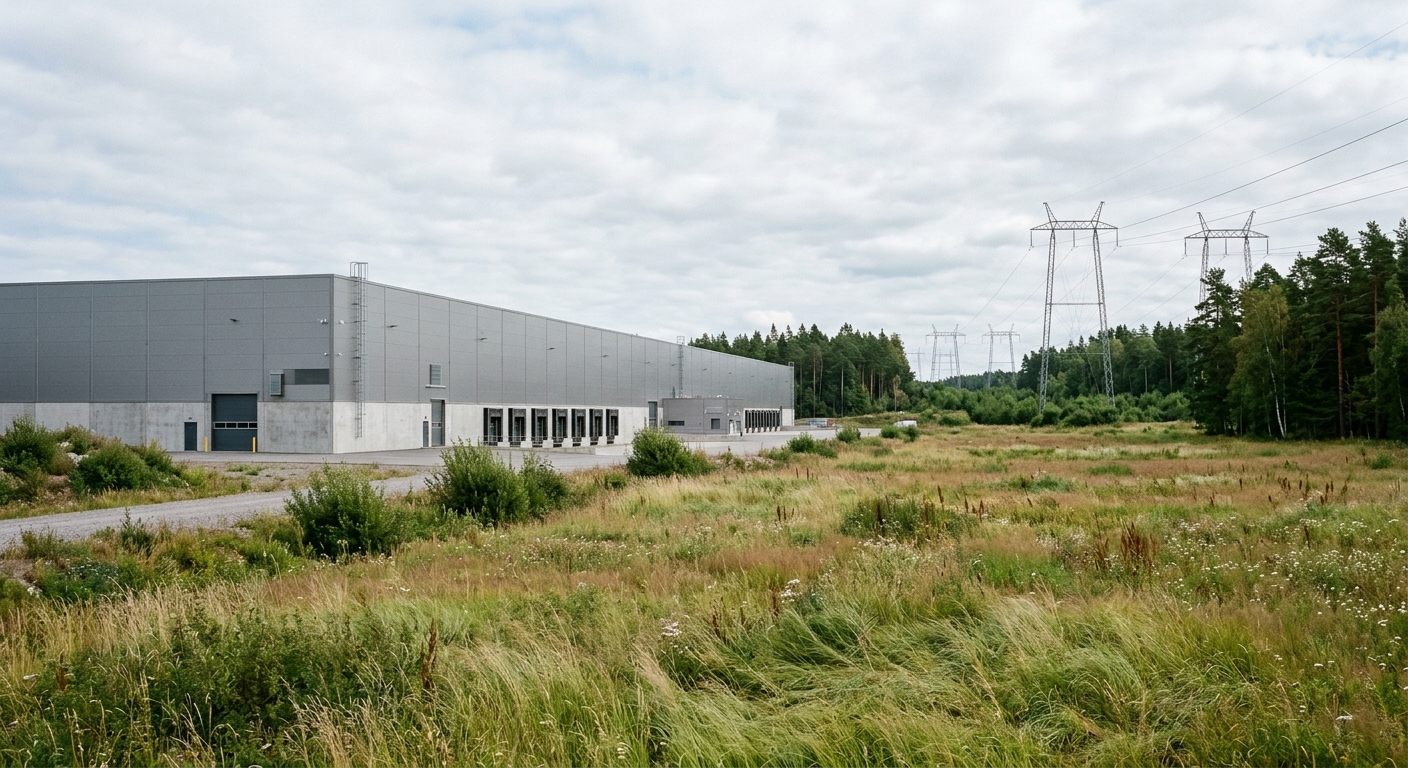
AI-generated illustration; not a photograph of the reported event.
- calendar_today October 27, 2026
Growing Debate Over Michigan Data Centers
Michigan’s rapid expansion of data centers has sparked a heated debate, with industry growth now facing considerable community pushback. As tech companies pursue new locations for these high-energy computing facilities, calls for increased data center regulations are growing louder among lawmakers and the public alike.
Bridge Michigan Issues Summit Highlights Tensions
The conversation around data center development and regulation took center stage at the inaugural Bridge Michigan Issues Summit, held at the Marygrove Conservancy. The event, titled "Innovation Collision: Balancing High-Tech Ambitions with Energy and Water Realities," brought together more than 375 participants—both in person and virtually from across the state.
Community Pushback Fuels Legislative Action
The expert panel included Brenda Stumbo, Ypsilanti Township supervisor; Michelle Martinez, director of the University of Michigan Tishman Center for Social Justice and the Environment; Erik E. Nordman, director of Michigan State University’s Institute of Public Utilities; and Jeff Guilfoyle, senior strategist at Public Sector Consultants. They agreed that rising public opposition is shifting Michigan’s policy landscape, just two years after lawmakers first offered tax incentives to attract data center developers.
Panelists noted that a lack of initial public engagement intensified community resistance. Martinez explained that legislators “opened the floodgates” with tax breaks and little local input, leaving residents “blindsided by the scope, the speed and the lack of channels to have a voice in the decision-making.”
Balancing Economic Benefits and Environmental Impact
The panel explored the tradeoffs associated with hosting data centers. For instance, Guilfoyle highlighted that in Saline Township, the upcoming Stargate facility—spearheaded by Oracle and OpenAI—could boost local property tax revenue from several hundred thousand dollars to over $10 million annually, and provide 450 permanent jobs plus thousands of temporary construction positions.
Nonetheless, most Michigan residents remain skeptical. Recent polling shows nearly two-thirds oppose building more data centers in the state, citing concerns about the environmental impact and the speed of development.
Infrastructure Challenges: Meeting Energy Demand
Data centers demand significant energy, with a single 1-gigawatt facility needing as much power as a large U.S. city. Erik E. Nordman described the strain on utility capacity as "the million-dollar question." While in some places data centers have helped distribute costs and prevent residential rate hikes, in others, growing demand has exceeded grid capacity and pushed rates upward.
Michigan’s policies currently prevent utilities from passing the costs of new infrastructure built to support data centers onto other customers, potentially insulating residents from rate shocks. However, Nordman warned that meeting both data center energy needs and the state's 2040 clean energy goals will be "very, very difficult" given current demand trends.
Looking Ahead: Calls for Regulation and Transparency
Panelists agreed on the need for greater transparency and input from local communities as Michigan considers future data center projects. Stumbo criticized the hurried approach to data center incentives, while Martinez emphasized that unchecked growth in computing facilities—even outside Michigan—can spur new fossil fuel investments elsewhere, undermining clean energy progress.
As lawmakers, industry leaders, and residents debate the path forward, the consensus at the Bridge Michigan Issues Summit was clear: more robust data center regulations are likely on the horizon, as Michigan works to balance high-tech economic ambitions with environmental realities and community concerns.
Source: bridgemi.com.