- calendar_today August 12, 2025
Michigan’s Property Market Finds Its Balance
The days of volatility appear to be settling across Michigan’s housing landscape. After years of fits and starts in recovery, 2025 is shaping up as a year of equilibrium. Markets like Detroit, Ann Arbor, and Grand Rapids are experiencing renewed activity, bolstered by rising population inflows, infrastructure investments, and stable mortgage conditions.
According to the Michigan Realtors Association, statewide home sales rose by 3.6% in February, and median home prices held steady year-over-year. In metro Detroit, prices have leveled off after pandemic-era spikes, offering more predictable entry points for investors.
Mortgage rates hovering around 6% and easing inflation at 2.8% are allowing buyers and investors alike to make clearer financial projections. The tone of the market has shifted—from reactive to strategic.
Build-to-Rent Projects Take Hold in Suburban Zones
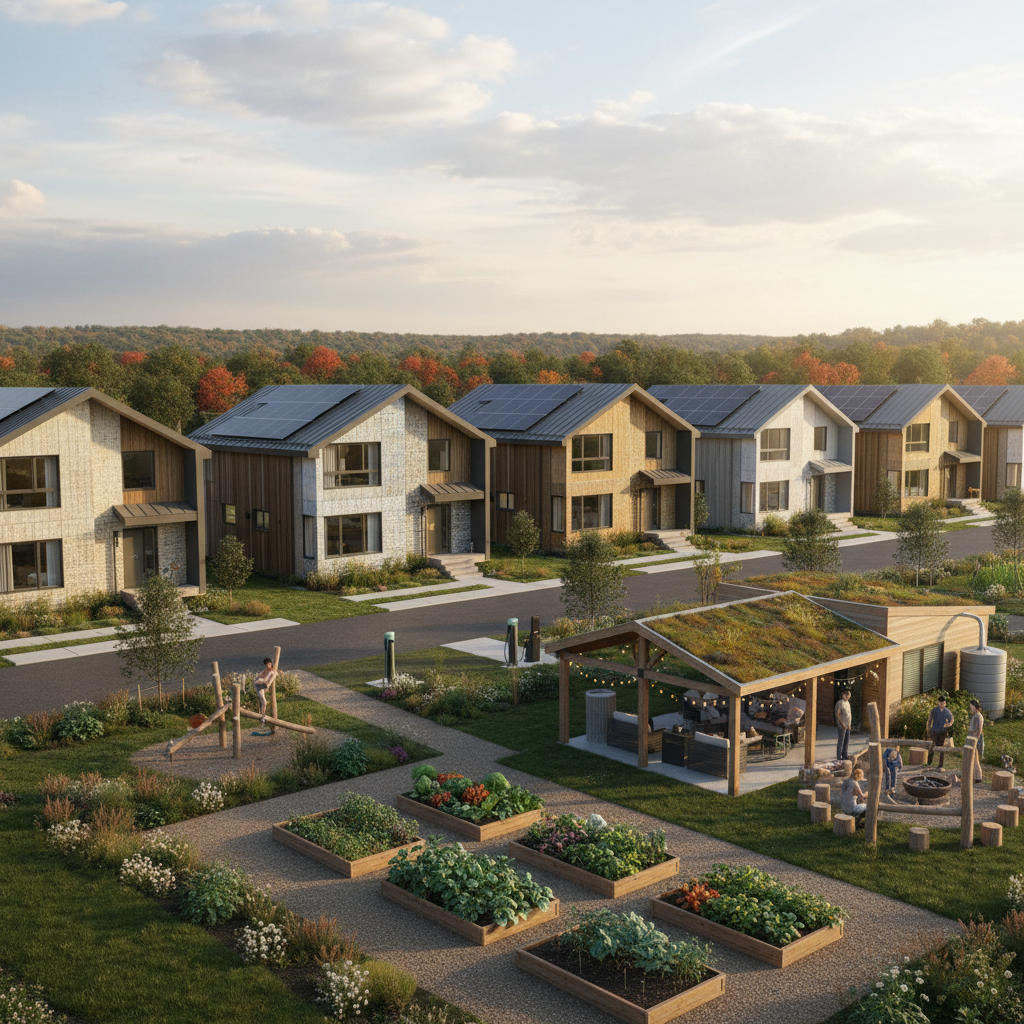
Michigan’s build-to-rent (BTR) scene is gaining quiet traction. In places like Macomb Township, Kalamazoo, and Lansing’s outer edges, developers are launching purpose-built rental communities tailored to the state’s evolving demographic mix.
BTR homes are particularly popular among aging residents looking to downsize without sacrificing comfort, and millennials who prefer flexibility over a 30-year mortgage. One project in Walker, near Grand Rapids, is offering two- and three-bedroom detached rental homes with green-certified building standards and shared community spaces.
A local developer explained, “We’re seeing consistent lease demand not just because people can’t buy—but because they don’t want to. Renters are looking for quality and lifestyle, and Michigan’s lower land costs help us deliver that.”
Mid-Sized Cities and Suburban Corridors Drive Growth
Michigan’s appeal increasingly lies beyond the Detroit skyline. Grand Rapids, often dubbed a “quiet success story” in Midwest development circles, continues to show strong fundamentals: population growth, steady job creation, and rising demand for multifamily housing.
The Medical Mile expansion is fueling real estate growth in the city center, where newly built apartments and renovated historic units are commanding record-high rents.
Meanwhile, Ann Arbor, home to the University of Michigan and a thriving biotech sector, has become a magnet for investors targeting student housing and faculty rentals. Even in surrounding towns like Ypsilanti, small multifamily properties are turning over rapidly, with buyers looking to capitalize on spillover demand from the university corridor.
In Traverse City and other northern towns, remote work has prompted a quiet influx of professionals seeking lifestyle-focused living—driving up prices in a region once known primarily as vacationland.
Mortgage Stability Reshapes Investor Expectations
With mortgage rates no longer swinging wildly, Michigan investors are adjusting their strategies. In metro areas like Livonia or Flint, the average home still lists well below $275,000—creating manageable financing scenarios even at 6% rates.
Investors are increasingly using long-term buy-and-hold strategies, locking in fixed-rate loans and targeting cash-flow-positive properties in neighborhoods with stable employment bases. Across Wayne, Kent, and Washtenaw counties, smaller apartment buildings and duplexes remain high in demand, often receiving multiple offers within days of listing.
Affordability continues to be Michigan’s competitive edge. Compared to other states, the cost of acquiring income-producing property remains relatively low, even as rental demand strengthens in both urban and suburban areas.
Commercial Real Estate Adjusts to New Realities
Michigan’s commercial sector is in a period of reinvention. Downtown Detroit, once plagued by vacancy, is undergoing targeted redevelopment—with older office buildings being converted into residential lofts, creative studios, and mixed-use retail. Projects like the Hudson’s site redevelopment are reshaping investor sentiment about the city’s long-term trajectory.
In suburban Oakland County, industrial parks and logistics centers are operating at near-full capacity, driven by the state’s strong positioning in automotive manufacturing, e-mobility, and warehousing.
Kalamazoo and Battle Creek, too, have seen increased interest in life sciences and light manufacturing facilities. A CBRE report in March noted that Michigan’s industrial leasing activity has risen 11% year-over-year, with demand outpacing available inventory in key zones.
Retail, meanwhile, is moving toward experience and necessity—with neighborhood strip centers increasingly anchored by medical services, fitness centers, and fast-casual restaurants rather than traditional department stores.
REITs Offer Strategic Exposure to Michigan Markets
For investors seeking diversified access to Michigan’s property scene without hands-on involvement, real estate investment trusts (REITs) provide an accessible entry point.
REITs with holdings in Midwest industrial and multifamily sectors, such as the Vanguard Real Estate ETF (VNQ) and iShares U.S. Real Estate ETF (IYR), have posted modest but stable returns. Regional asset managers are also curating Michigan-focused portfolios, often centered around student housing in Ann Arbor, multifamily units in Grand Rapids, and logistics hubs around Detroit and Lansing.
Given the state’s broad industrial base and manageable property costs, REIT analysts continue to flag Michigan as a “value region” for income-focused investors.
Key Themes to Watch in 2025
Several ongoing developments are shaping Michigan’s real estate outlook for the rest of the year:
- Electrification of the auto industry, anchored by expansions from GM, Ford, and EV battery suppliers, is increasing demand for housing near major plants in Dearborn, Pontiac, and Lansing.
- Affordable housing grants tied to federal infrastructure legislation are unlocking new rental development in historically underserved areas.
- Climate resilience is becoming a factor in lakeside communities along Lake Michigan and Lake Erie, where insurance rates are beginning to reflect flood and erosion risk.
- Zoning modernization initiatives, particularly in metro Detroit, aim to enable greater density and redevelopment of underutilized lots.
A commercial advisor based in Grand Rapids summarized the shift: “We’re past the uncertainty. Michigan real estate is maturing into something more stable—and more strategic.”
As 2025 progresses, Michigan’s unique blend of affordability, industrial momentum, and emerging lifestyle markets may make it one of the Midwest’s most versatile real estate frontiers.
For monthly updates on Michigan housing trends, industrial property data, and suburban development forecasts, subscribe to the Great Lakes Real Estate Digest.