- calendar_today August 10, 2025
In 2025, the United States introduced significant tariff measures, including a 104% tariff on Chinese imports and a 25% tariff on foreign-made automobiles. These tariffs have reverberated across global markets, and Michigan, with its critical manufacturing, agricultural, and technology sectors, is feeling their effects.
The announcement of these tariffs sent shockwaves through financial markets. Within hours, the Dow Jones dropped over 2,200 points, and the S&P 500 lost nearly 10%, signaling volatility. For Michigan investors—whose portfolios are often tied to industries like automotive manufacturing and agriculture—this volatility means reconsidering strategies and positioning for the new economic landscape. This article explores how the tariffs are affecting Michigan’s economy and offers actionable advice for local investors.
The Impact of Tariffs on Michigan’s Key Sectors
Michigan’s economy is highly reliant on manufacturing, especially automotive production, agriculture, and tech industries. The tariffs have significantly impacted each of these sectors, and understanding the local effects is critical for investors.
Automotive Industry
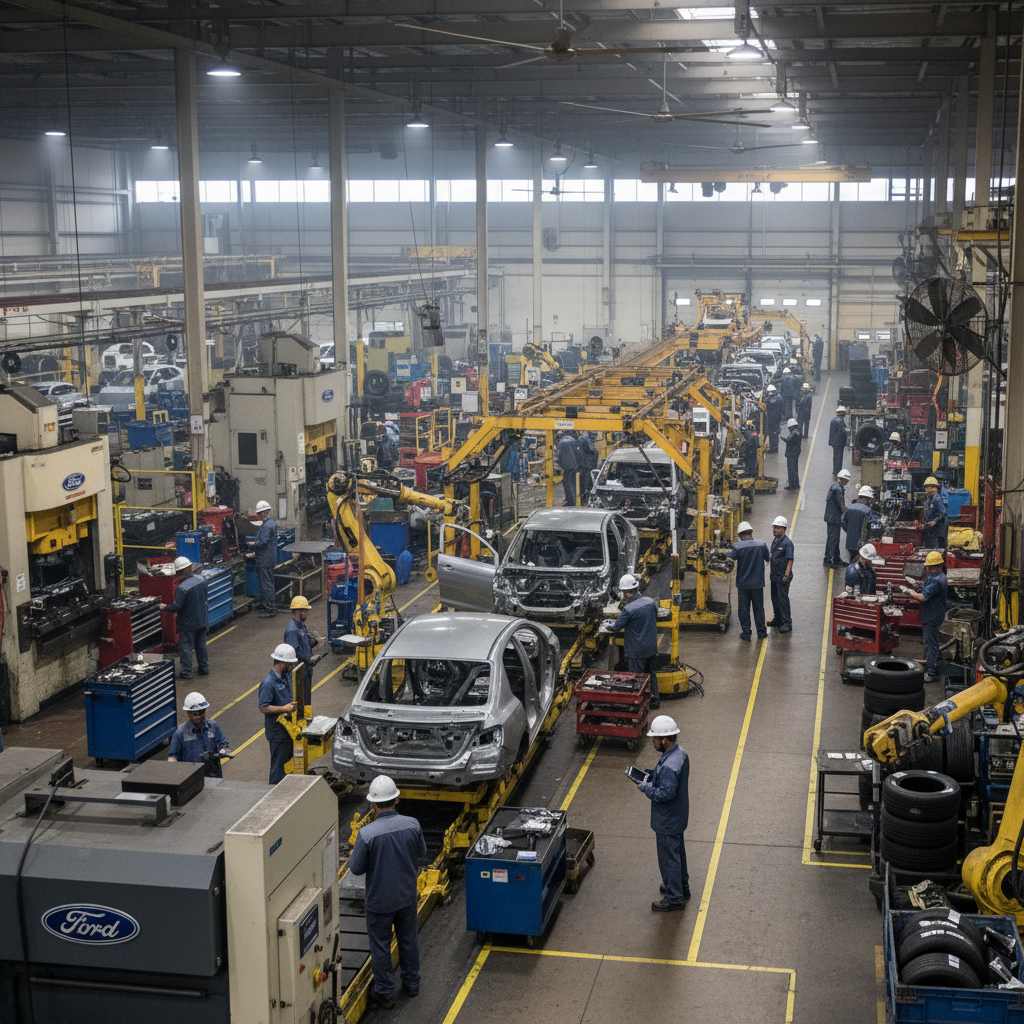
Michigan is the heart of the U.S. automotive industry, home to major automakers like General Motors, Ford, and Chrysler. The 25% tariff on foreign automobile imports has already caused a slowdown in car sales. These tariffs, combined with the rising cost of imported car parts, have made it more expensive to manufacture vehicles in the U.S. As a result, automakers are re-evaluating production strategies, and vehicle prices are expected to rise.
Companies like Ford and GM are already reconsidering their global supply chains, with some production being shifted back to the U.S. (reshoring). While reshoring may benefit Michigan in the long run, it comes at a higher cost. For investors in Michigan’s automotive sector, this means adjusting expectations, as growth may be slower and profit margins could decrease due to the rising costs of manufacturing.
Manufacturing and Steel Industry
Michigan’s manufacturing sector, which includes steel production, has also felt the impact of tariffs. The 104% tariff on Chinese goods is driving up the cost of raw materials, particularly steel. U.S. Steel, a major producer in Michigan, is facing higher costs for raw materials, and these costs are likely to be passed on to consumers, raising prices for goods produced locally.
Additionally, Michigan-based manufacturers that rely on imports for parts and components are being hit hard by the tariffs. Disruptions in the supply chain are leading to delays, which are affecting production timelines. Michigan investors in the manufacturing sector may want to consider shifting focus toward industries less reliant on global supply chains, such as renewable energy and infrastructure.
Agriculture and Raw Materials
Michigan also has a strong agricultural base, producing key crops such as corn, soybeans, and wheat. The tariffs have created significant challenges for Michigan’s agricultural producers, particularly with the 34% tariff that China has imposed on U.S. agricultural products.
Although Michigan is not as reliant on China as other states for agricultural exports, the ripple effects of these tariffs are still significant. Farmers in Michigan, especially those who rely on exports of soybeans, corn, and pork, are facing reduced demand for their products, which is putting pressure on commodity prices. For Michigan agricultural investors, this means slower growth and potential challenges to profitability.
What Michigan Investors Should Do
Given the economic volatility created by the tariffs, Michigan investors should consider several strategies to protect their portfolios and uncover new opportunities.
- Diversify Investments
With sectors like automotive manufacturing and agriculture facing uncertainty, Michigan investors should diversify their portfolios. Shifting investments toward industries like infrastructure, clean energy, and healthcare can offer more stability and growth potential, as these sectors are less reliant on global trade. - Consider Safe-Haven Assets
In times of uncertainty, gold, real estate investment trusts (REITs), and inflation-protected securities can offer stability and protection. Gold, for example, has seen price increases in response to market volatility, making it an attractive asset for investors looking to hedge against the risks associated with tariffs. - Invest in Reshoring and U.S.-Based Manufacturing
The tariffs could accelerate efforts to bring manufacturing back to the U.S., benefiting companies that are investing in reshoring production. Michigan investors should consider focusing on companies in steel, machinery, and automotive manufacturing that stand to benefit from this trend. As more production moves to the U.S., Michigan’s manufacturing base could grow, leading to job creation and economic expansion. - Monitor Agricultural Investments
Agricultural investors in Michigan should stay informed about changing export conditions and commodity prices. As global demand fluctuates due to tariffs, focusing on domestic agricultural markets and diversifying into more resilient crops or sectors (like organic farming) could provide a hedge against future uncertainty.
Opportunities in a Changing Economic Landscape
While the 2025 tariffs are causing short-term disruptions in Michigan’s economy, the long-term outlook could present new opportunities. The focus on reshoring and strengthening domestic supply chains may lead to growth in manufacturing, particularly in industries like clean energy and technology.
For now, Michigan investors must remain flexible and prepared to adjust their strategies. By diversifying portfolios, staying informed about tariff-related developments, and focusing on sectors that are less reliant on international trade, investors can mitigate the risks associated with the current trade climate and position themselves for future growth.