- calendar_today July 3, 2026
Michigan‘s longstanding leadership in animal welfare is in the spotlight as local farmers and advocates speak out against proposed federal legislation that could undermine high agricultural standards. Growing concerns over the impact of the Save Our Bacon Act have mobilized the region’s agricultural community to defend state autonomy and responsible farming practices.
Decades of Commitment to Sustainable Farming
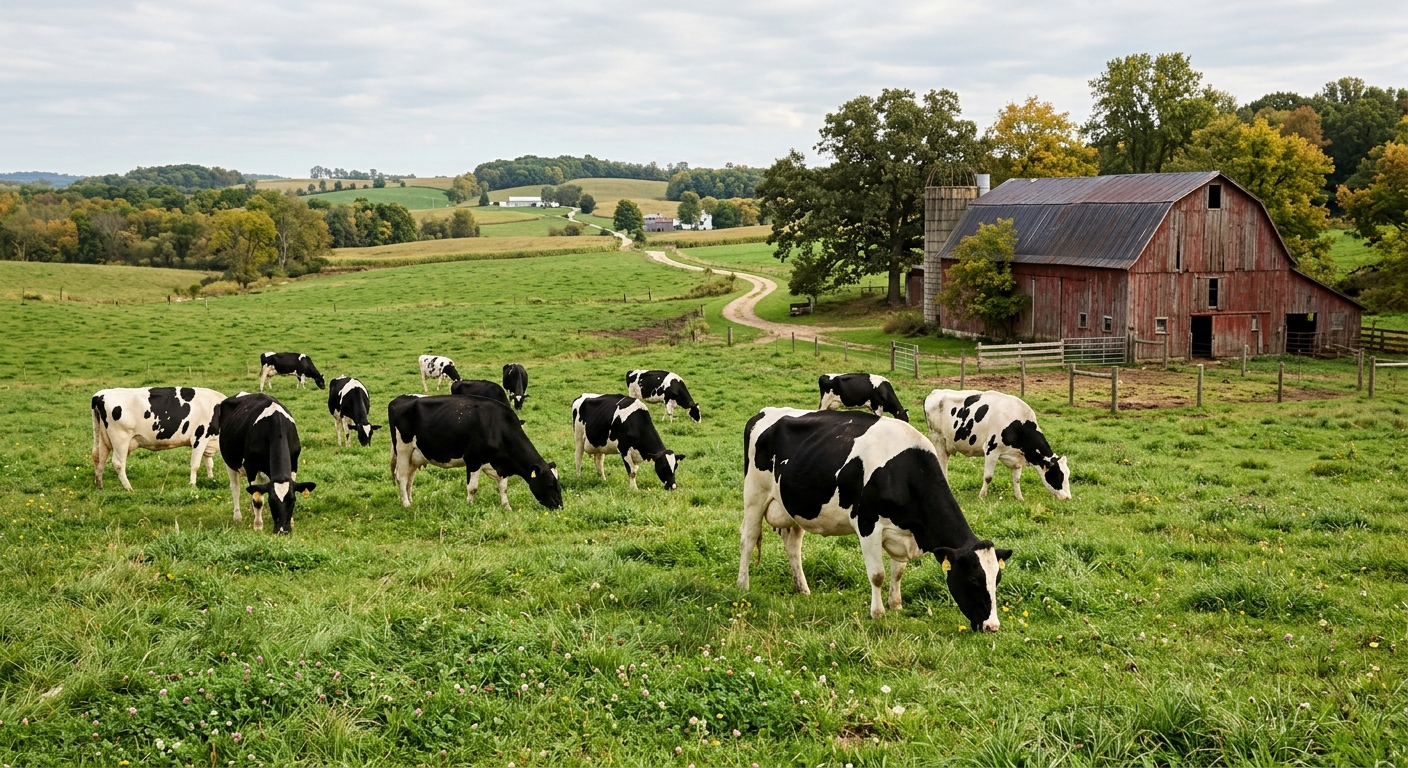
For more than forty years, many Michigan farms have built reputations on sustainable farming principles. Emphasizing humane animal care, transparency, and responsible stewardship, families across the state have invested heavily in animal-friendly practices for dairy, beef, and poultry operations. Since 1984, this commitment has not only responded to evolving customer expectations but has also transformed Michigan into a benchmark for animal care in agriculture.
The Push for Rigorous State Agricultural Standards
As consumers increasingly demand food produced with high ethical standards, state agricultural standards have evolved to set robust requirements for farms. Michigan, in particular, has implemented rigorous rules to strengthen animal welfare and protect both local communities and livestock. These measures are credited by many Michigan farmers for building consumer trust and delivering value throughout the food system.
Save Our Bacon Act: A Threat to State Authority
The Save Our Bacon Act, recently excluded from the Senate Agriculture Committee’s Farm Bill draft but still looming as potential legislation, has stirred serious debate. Opponents warn that if enacted, the act would override state-level animal welfare laws, affecting not only Michigan’s investment in sustainable agriculture but also public health and local food safety regulations. Wide-reaching in its scope, the act could impact hundreds of laws across various states, cutting at the heart of local environmental stewardship and food production oversight.
Impact on Humane Animal Care and Food Safety
Leading farms across the region have made notable investments in humane animal care, voluntarily adhering to—and often exceeding—legal requirements. These practices have uplifted the reputation of Michigan agricultural products in national markets and underscored the connection between animal welfare, food safety, and responsible production. There are concerns that federal preemption of local laws could jeopardize these carefully cultivated standards, limiting the ability of states to innovate or improve upon existing protection measures.
Local Leadership Calls for Continued Innovation
Michigan agricultural leaders emphasize the importance of maintaining state authority over farming regulations. They argue that local control allows for policies that reflect regional values and encourages ongoing agricultural innovation and environmental stewardship. Many believe that federal interference risks diminishing consumer trust and could undermine voter-approved policies developed to protect both animal and public health.
Protecting Consumer Trust and Responsible Production
The region’s farming communities have called on Senators Elissa Slotkin and Gary Peters to oppose the Save Our Bacon Act should it reappear in legislative proceedings. Their appeal is rooted in safeguarding Michigan’s legacy of responsible production, transparency, and strong animal welfare. Maintaining state legislative power, say advocates, is essential for supporting forward-thinking, sustainable farming and upholding standards that Michigan consumers value.
Looking Ahead for Michigan’s Food System
With national attention on agricultural policy and animal welfare, Michigan continues to model best practices for responsible farming. As debate over the Farm Bill and the Save Our Bacon Act intensifies, the state’s agricultural community remains united in its commitment to protect locally set standards that prioritize animal care, food safety, and environmental stewardship—foundations that have earned long-standing consumer trust and supported rural economies across the region.