- calendar_today August 14, 2025
Michigan’s real estate market in 2025 is stabilizing after years of economic swings, with investors increasingly focused on steady income, regional development, and demographic trends. While rising interest rates have cooled some speculative buying, the state’s mix of urban revival and manufacturing resurgence continues to offer compelling opportunities.
Which sectors are standing out? Across Detroit, Grand Rapids, Lansing, and smaller towns, seven property types are emerging as strong performers—each shaped by Michigan’s unique blend of affordability, workforce growth, and industrial roots.
Multifamily Housing: The Reliable Performer
Multifamily housing continues to be a cornerstone of Michigan’s real estate sector. In cities like Detroit, Kalamazoo, and Ann Arbor, high mortgage rates and student debt are keeping many renters in place longer, especially younger and working-class households.
Class B and C apartment buildings—especially those located in walkable or transit-accessible neighborhoods—are seeing steady occupancy and moderate rent growth. In Grand Rapids, for example, vacancy rates remain under 5%, and demand is rising for professionally managed mid-rise buildings and renovated older units. Investors focused on affordability and workforce housing are finding reliable cash flow, even in slower economic conditions.
Industrial Properties: Still a Growth Engine
Michigan’s industrial sector remains one of its strongest real estate performers. From auto part manufacturing in Metro Detroit to distribution centers in Kent County, industrial demand is driven by reshoring, logistics expansion, and the ongoing shift to electric vehicles.
JLL’s Midwest report shows industrial vacancy rates in Michigan hovering around 4%, with lease rates rising 6–7% year-over-year in hubs like Sterling Heights and Holland. EV manufacturing plants and related supply chain infrastructure are bringing institutional capital back to legacy industrial zones. Cold storage and flex space near interstates and ports are especially attractive to REITs and private equity investors.
Single-Family Rentals in Suburban Markets
With homeownership affordability tightening, single-family rentals (SFRs) are gaining ground in suburban Michigan communities. Places like Livonia, Novi, and Wyoming (MI) are attracting families who want space and school access without committing to a mortgage.
Roofstock’s 2025 data shows increased investor interest in Michigan’s commuter suburbs, where properties offer solid rent-to-price ratios and strong tenant retention. Areas near universities and regional hospitals—like Ypsilanti and East Lansing—are also seeing a rise in demand for detached rentals. For investors, SFRs offer predictable income and lower per-unit maintenance than multifamily portfolios.
Detroit vs. Smaller Markets: A Tale of Two Michigans
Michigan’s real estate landscape is splitting into two distinct narratives. Detroit’s comeback story continues, with targeted revitalization in neighborhoods like Midtown, Corktown, and Eastern Market. Public-private partnerships and infrastructure grants are boosting confidence in long-term urban growth.
Meanwhile, smaller cities like Traverse City, Marquette, and Bay City are seeing population gains from retirees, remote workers, and returning families. These markets offer low entry points and a growing demand for both residential and mixed-use developments. Investors tracking demographic shifts and local employment trends are finding profitable opportunities outside the major metros.
Mixed-Use Developments & Downtown Revival
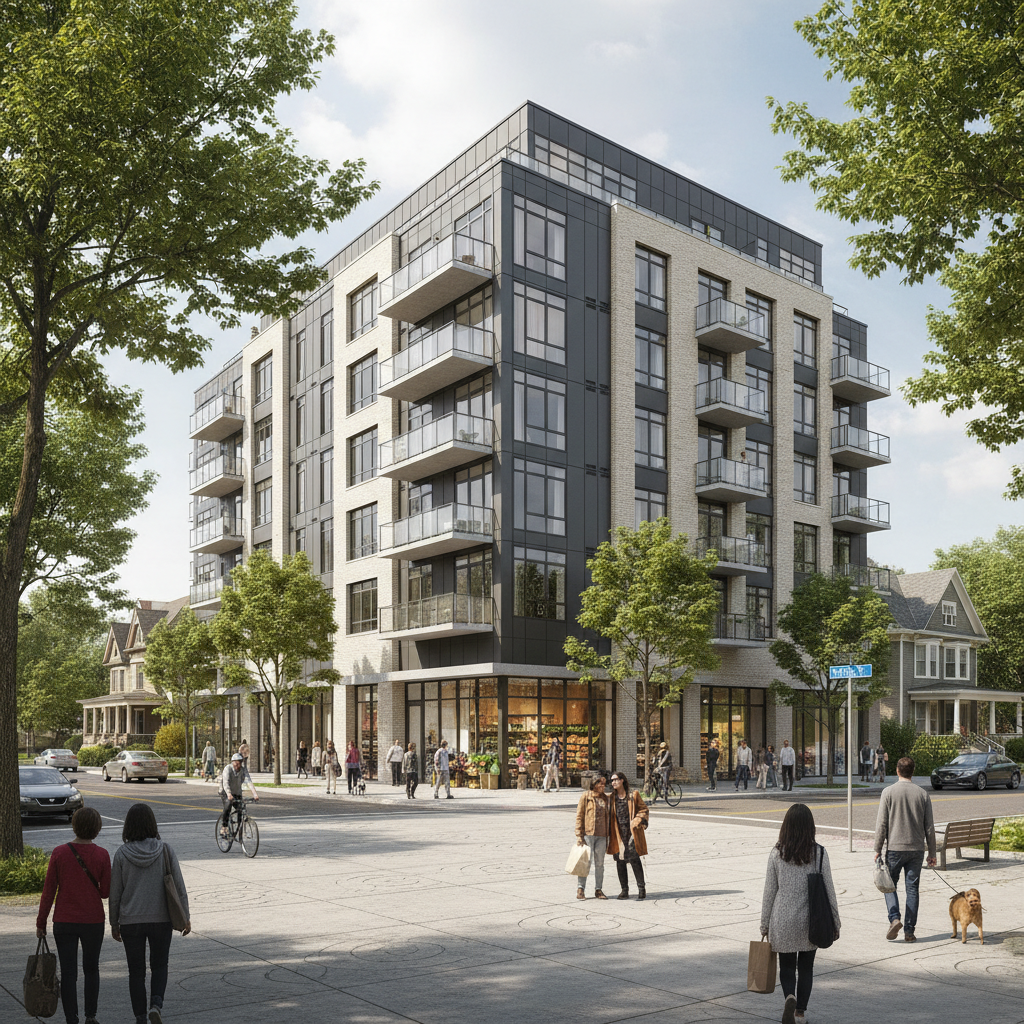
Michigan’s mid-sized cities are bringing their downtowns back to life through mixed-use development. Cities like Flint, Muskegon, and Jackson are investing in walkable districts that blend residential units with retail, restaurants, and coworking space.
Even in Detroit and Grand Rapids, developers are repurposing warehouses and vacant buildings into vibrant, community-focused hubs. While permitting and financing remain challenging, especially in post-industrial zones, the long-term value of these lifestyle-driven spaces is gaining recognition. Millennials and Gen Z renters are fueling this demand, particularly for car-optional living and work-from-home flexibility.
Niche Assets on the Rise: Senior & Student Housing
Senior housing demand is rising steadily in Michigan, particularly in regions with aging populations and strong medical facilities. Counties like Washtenaw, Oakland, and Ottawa are seeing increased development of memory care and assisted living facilities. Occupancy rates across the state are climbing, fueled by baby boomer retirements and downsizing trends.
Student housing is also performing well near major universities. Ann Arbor, East Lansing, and Kalamazoo have seen pre-lease rates exceed 90% in many properties. Students increasingly expect high-speed internet, furnished units, and social amenities. Well-located, professionally managed student housing developments are becoming more competitive and financially stable.
Risk Factors and Investment Cautions
Investing in Michigan real estate requires a sharp focus on market selection and property condition. While the state offers affordable entry points, aging infrastructure—especially in Rust Belt cities—can lead to higher renovation and maintenance costs. Investors in older properties should plan for capital expenditures and code compliance upgrades.
Flooding risks, particularly in areas around Saginaw, Midland, and the Huron River, are pushing up insurance costs and prompting calls for climate-resilient design. Regulatory burdens are generally lighter than in coastal markets, but landlords in larger cities still face zoning, permitting, and tenant-protection considerations.
Though interest rates have eased slightly in 2025, financing costs remain elevated. Underwriting conservatively and planning for higher holding costs is essential—especially for value-add or repositioning strategies.
Expert Insight: What the Analysts Say
“Michigan’s strength lies in its affordability and industrial relevance,” says Lauren Bellingham, senior economist with CBRE. “Multifamily and logistics assets are seeing sustained demand, but success here depends on hyperlocal insight—each city and county tells a different story.”
Redfin’s 2025 Housing Trends report notes that affordability, job proximity, and community investment are the leading drivers of real estate performance across the state. Analysts emphasize the importance of local data, including migration patterns and employment growth, in identifying promising submarkets.
Strategic Diversification is Key in 2025
In 2025, Michigan’s real estate market favors diversification. Successful investors are balancing multifamily stability with industrial growth and suburban rental demand. Single-family rentals offer dependable returns in family-driven areas, while mixed-use downtown projects are attracting younger, lifestyle-conscious renters.
Niche sectors like senior and student housing are showing resilience backed by clear demographic tailwinds. The contrast between revitalized cities and legacy markets requires precise targeting—but for those willing to dig into the data, Michigan offers a range of profitable, long-term opportunities.
As always, success in the state’s evolving market belongs to those who combine local fluency with national trends—and who prioritize sustainability, flexibility, and informed decision-making in every deal.