- calendar_today August 8, 2025
Tariffs and Trade Wars Distress Michigan’s Luxury Auto Industry
Michigan Luxury Auto Dealers Struggle with Trade Policy Aftermath
Luxury car dealers throughout Michigan are still reeling from the long-term effects of ex-President Donald Trump’s trade policies, which still linger in 2025. Tariffs imposed on European and Chinese car imports have caused supply chain disruptions, increased car prices, and prompted dealerships to rethink their approaches in a highly competitive market.
As a historic automotive center in Detroit, Michigan has a high demand for luxury cars, particularly from manufacturers such as Mercedes-Benz, BMW, and Audi. These manufacturers have, however, been grappling with increasing import costs, which have resulted in higher sticker prices and lower sales at dealerships throughout the state.
European and Chinese Auto Imports Face Steady Tariffs
Trump’s administration placed tariffs on various imported cars and auto components, especially European and Chinese imports. These measures, originally aimed at curbing the US trade deficit, have ended up driving up costs for high-end automakers, which ultimately trickle down to Michigan consumers.
BMW and Mercedes-Benz, whose production depends in large part on European factories, found that it cost more to import those vehicles. Chinese luxury EV brands Nio and Polestar had still more challenges in front of them, which decreased their competitiveness in Michigan versus their local counterparts.
Price Increases and Shifting Consumer Trends
Michigan buyers, particularly in high-income areas such as Bloomfield Hills and Ann Arbor, historically have had high demand for luxury cars. Dealers, though, say increasing imported car costs have resulted in changing buyer demand. Some have put off buying, while others have opted for used luxury vehicles, hoping to avoid price increases.
Based on industry estimates, the typical price of a new European luxury sedan in Michigan has risen 10-15% since the tariffs were initiated, and the cost of financing has become pricier. To counter that, automakers have rolled out aggressive leasing and financing promotions, but these rebates have yet to completely reverse the price hike.
The Emergence of Domestic and Electric Luxury Cars
As tariffs remain influential in the market, luxury domestic brands like Cadillac and Lincoln are gaining strength. These locally produced alternatives are being marketed as budget-friendly solutions to consumers avoiding the high costs of imported luxury brands.
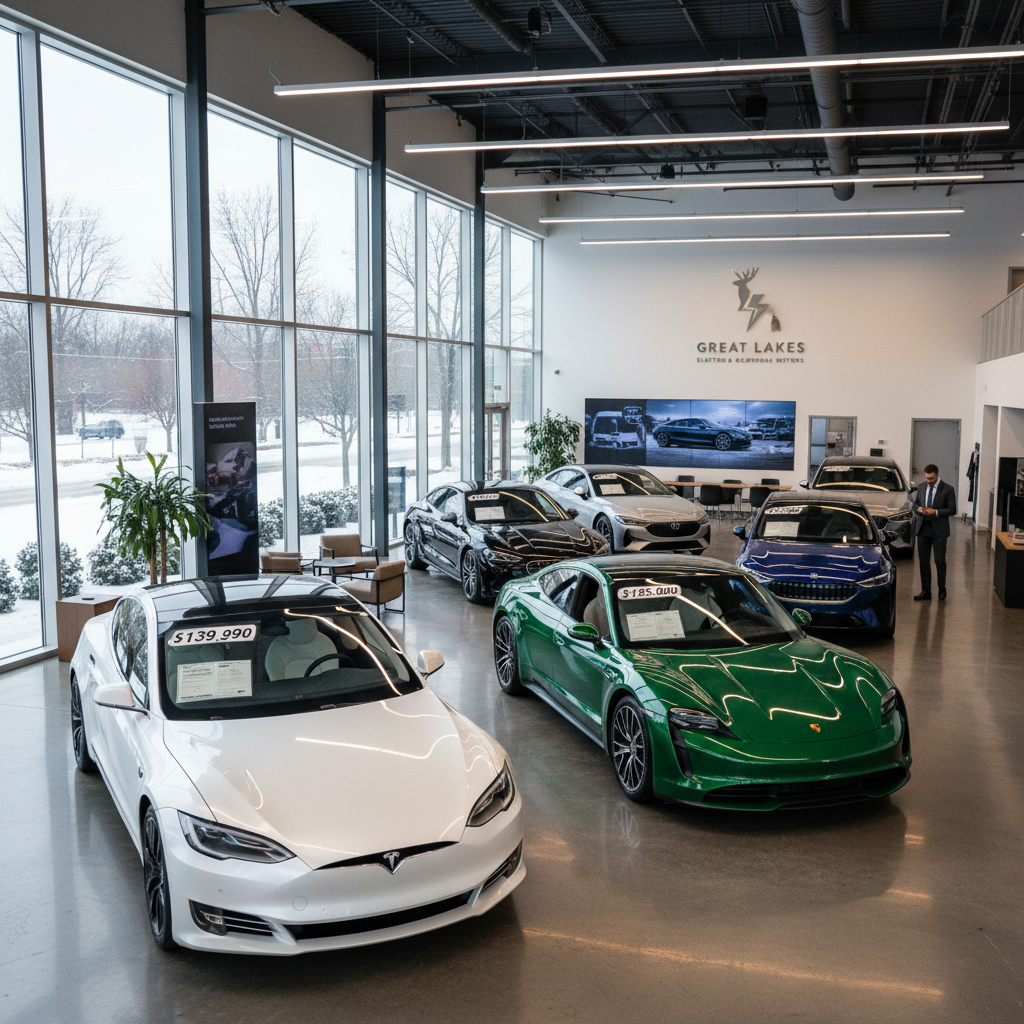
Tesla has also been a beneficiary of the changing environment, with Michigan dealerships posting high sales of the company’s luxury electric vehicles. Having avoided the same tariff headaches as Chinese and European producers, Tesla’s prices have been more stable, and it has become an increasingly desirable choice for luxury buyers in 2025.
Future Outlook: Will Trade Policies Shift?
Although President Biden’s administration has altered some of Trump’s trade policy, much of the tariffs are still in effect. Michigan auto retailers are keeping a close eye on trade negotiations to determine if further shifts will be implemented that might reduce the impact on imported luxury cars.
For the time being, dealerships have to navigate a complicated market in which increasing costs, shifting consumer tastes, and geopolitical trade tensions continue to influence the future of luxury auto sales in Michigan. Those brands that evolve through local production, creative financing options, and aggressive pricing will be best positioned to maintain a robust presence in the state.
Conclusion
Trump’s trade policies have had a lasting effect on Michigan’s luxury auto industry. While some dealerships are fighting to remain competitive with increased import costs, others are shifting to domestic models and electric vehicles to remain competitive. As the market continues to shift, both consumers and dealers will have to adjust to an ever-more uncertain luxury auto environment.