- calendar_today July 22, 2026
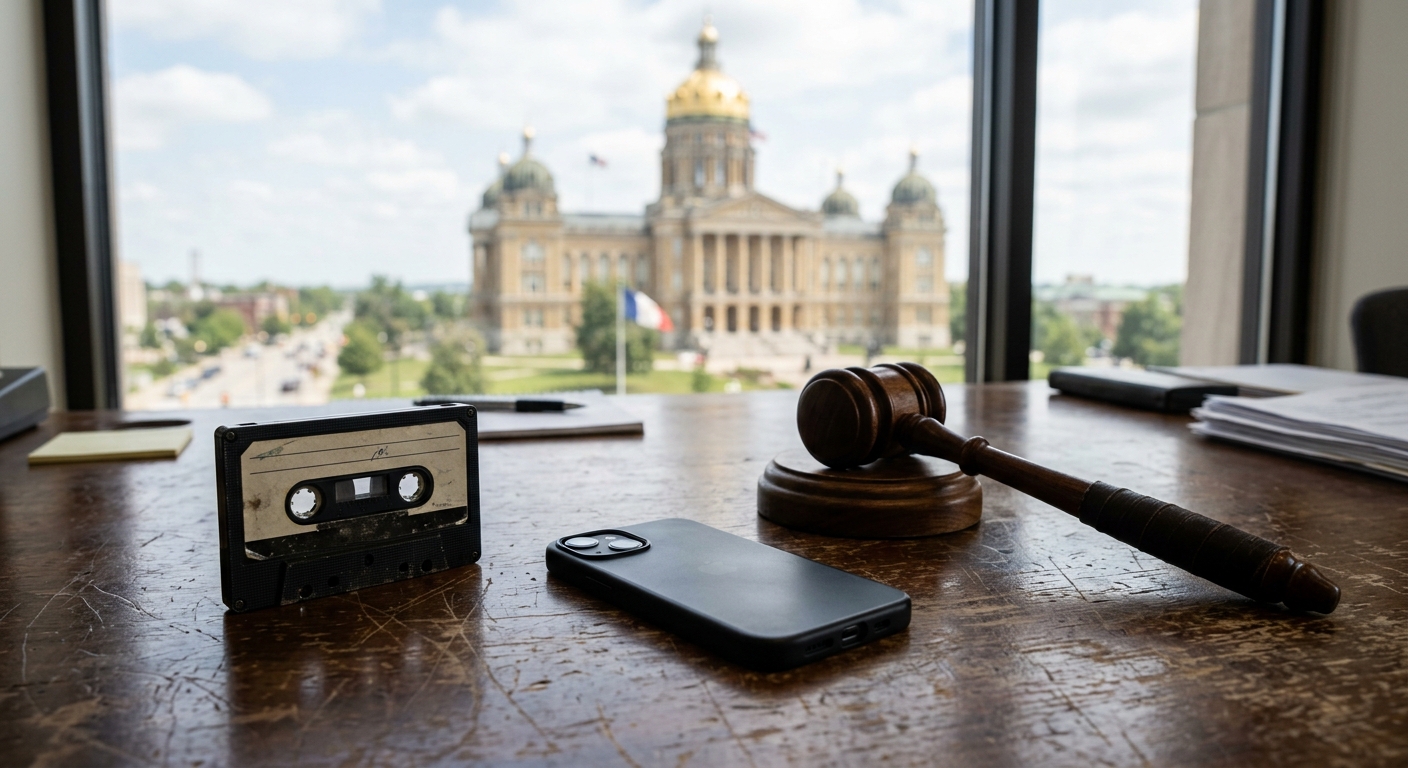
In Michigan, the rise of generative AI is fundamentally challenging the integrity of digital evidence, raising pressing questions for courts, political institutions, and the public. Where once the existence of an authentic tape—such as the pivotal Watergate tapes—could unambiguously determine the fate of public officials, today’s technological landscape has undermined this source of certainty and accountability for communities across the region.
The Erosion of Trust in Digital Evidence
Decades ago, audio recordings and video materials were seen as nearly unassailable proof in courtrooms and investigative journalism. Now, AI generated media makes it possible to fabricate hyper-realistic audio and video, making it far more difficult to trust what appears to be legitimate evidence. This trend has far-reaching implications for Michigan, a state with a vibrant civic life and a history of high-stakes electoral contests.
Liar’s Dividend and the Rise of Political Deception
Experts describe the “liars dividend“—a phenomenon where the possibility of fake evidence lets public figures evade responsibility by simply claiming that incriminating materials are fabricated. This tactic is already surfacing in legal defenses related to the Jan. 6 Capitol riot and in recent Michigan election disputes. Defense attorneys increasingly cite the prevalence of video manipulation as grounds for dismissing digital evidence, threatening to erode the legal system’s reliance on formerly dependable forms of proof.
Michigan’s Response: Regulatory and Educational Initiatives
The government of Michigan is taking steps to combat the wave of fake news and digital disinformation caused by generative AI. State officials have proposed new AI regulations and are developing guidelines to educate voters and public servants alike about recognizing digital evidence fraud. Last month, legislative committees considered the establishment of regulatory boards to set out clear standards for AI use in media, emphasizing the need for transparency and accountability in political campaigns and public records.
Provenance and Authenticity: Building New Standards
Despite regulatory efforts, many experts argue that proactive solutions are essential. The implementation of media provenance protocols—that is, verifying when and how a piece of digital content was created—has emerged as a promising line of defense. Institutions across Michigan, including news organizations and the judicial system, are examining these authenticity standards to ensure that only verifiable, original content is considered as evidence or disseminated to the public. The application of provenance standards would further help lawmakers in creating effective legislation that penalizes intentional misuse and restores public trust.
Lessons from Watergate in a New Era
The enduring significance of the Watergate tapes serves as a reminder of why indisputable evidence matters. In the current climate, where political deception is facilitated by technology, the lessons from the past underline the urgency of new verification systems. While some degree of video manipulation and disinformation is inevitable, the adoption of robust provenance and authentication mechanisms can help safeguard the foundation of democracy in Michigan.
Preserving Trust Amid Ongoing Change
As technologies like generative AI become further integrated into daily life across Michigan, it is increasingly vital for courts, legislators, and media organizations to collaborate on effective responses. From passing meaningful AI regulations to developing consensus on authenticity standards, the challenge of securing reliable digital evidence remains significant. The prospect of a future where authentic and false recordings are indistinguishable is daunting, but with coordinated action, Michigan can continue to set an example for promoting truth in the age of technological transformation.