- calendar_today July 24, 2026
The future of the Manistee River flow is under scrutiny as Michigan utility provider Consumers Energy weighs the need for an extensive inspection at the Hodenpyl Dam. Rising concerns follow severe spring flood damage, with state officials and local communities attuned to the delicate balance between dam safety and the river’s environmental vitality.
Flood Damage Triggers Dam Safety Review
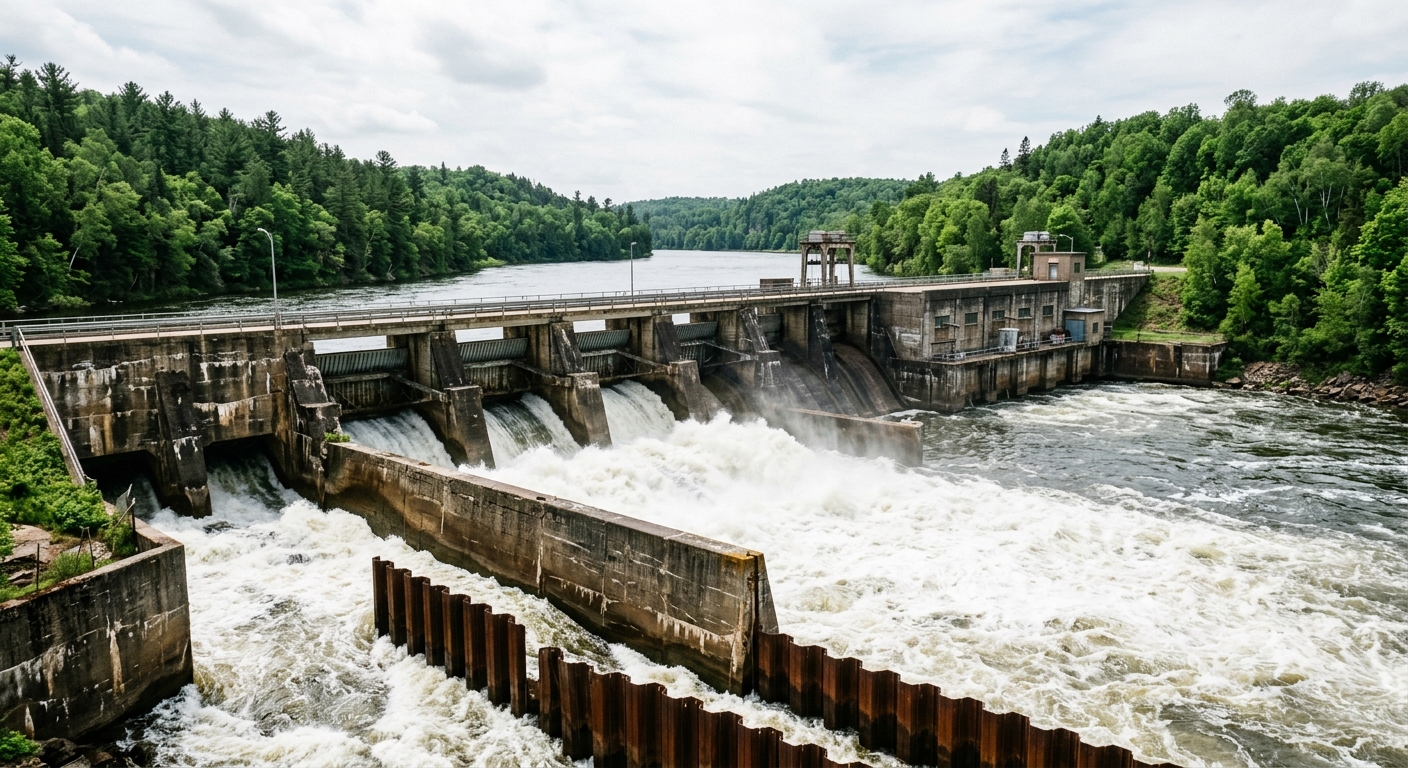
After a season of heavy rains and spring flood damage, Consumers Energy discovered worrisome signs at the Hodenpyl Dam, including degraded sheet piling, troublesome sinkholes, and indications of a below-surface leak in a crucial retaining wall. These issues, affecting one of Michigan’s significant hydropower dams, highlight the ongoing challenges of maintaining critical energy and water infrastructure throughout the region.
Concerns Over River Flow Reduction and Aquatic Life
Proposals for a temporary halt or river flow reduction to allow a thorough dam inspection have sparked debate. The affected section of the Manistee River is known for its robust fish habitat impact, especially as a prime location for trout stocking. State environmental officials caution that stopping or slowing the river could result in the death of tens of thousands of fish, threatening both local ecology and recreational fishing traditions. The river also draws visitors for river recreational use, supporting regional economies and community well-being.
Postponed Inspection and Search for Alternatives
Consumers Energy has postponed the planned dam inspection until August, seeking alternatives that could avoid significant interruptions to the Manistee River flow. The utility faces heightened scrutiny as it plans to sell several aging Michigan dams, including the Hodenpyl facility, to a private equity firm. This transition has drawn community attention to long-term dam maintenance and hydropower dam safety, with many questioning whether new ownership will uphold rigorous safety and environmental standards.
Environmental Groups Advocate for River Preservation
Environmental organizations continue to voice opposition to any interruption of river flow, advocating instead for dam removal and river restoration. These groups argue that the ongoing risks posed by aging dams—exacerbated by recent spring flood damage and complicated by nonfunctional generating units—underscore the need for new approaches to managing Michigan’s waterways. Their calls highlight a critical question for the region: how best to balance energy generation, public interests, and the protection of unique aquatic ecosystems.
Technical and Logistical Hurdles in Repair Plans
The challenges facing Consumers Energy are compounded by the dam’s current generating units being offline, which has led to turbulent spillgate flow and made traditional underwater inspections more difficult. Despite these setbacks, the company is moving forward with a comprehensive dam repair plan, promising concrete restoration work and a close look at critical sheet piling. State regulators and stakeholders will closely monitor these efforts to ensure both dam inspection and repair prioritize the safety and sustainability of the Manistee River flow.
Regional Stakeholders Monitor Developments
Throughout Michigan, local anglers, business owners, and conservationists are keeping a watchful eye on developments at the Hodenpyl Dam. Decisions made in the coming months could set precedents for future hydropower dam safety practices, as well as the continued stewardship of treasured river resources. The ongoing deliberations underscore the region’s commitment to safeguarding both public safety and the irreplaceable natural assets found along the Manistee River.