- calendar_today August 3, 2026
Physical altercations between athletes and spectators remain among the most controversial moments in professional sports history. For Michigan and the broader sporting community, the 2004 ‘Malice at the Palace’ stands as a powerful example of how an athlete fan confrontation can spiral beyond control—reshaping league policies and public perception in the process.
The Malice at the Palace: Michigan’s Defining Moment
On November 19, 2004, Michigan witnessed one of the most infamous sports brawls at the Palace of Auburn Hills. The game between the Detroit Pistons and the Indiana Pacers erupted into chaos when Ron Artest, after being struck by a drink thrown by a fan, leaped into the stands. The resulting melee, which involved multiple players and fans, led to record player suspensions—highlighting how sports altercations can alter league history and community trust. Players like Artest and Stephen Jackson received lengthy bans, and the incident set a precedent for handling sports fights and fan heckling in the NBA.
Eric Cantona and the Kung-Fu Kick
In European football, few athlete fan incidents match the notoriety of Eric Cantona’s 1995 action. After enduring persistent insults from the crowd, Cantona launched himself into the stands, delivering a kung-fu kick to a spectator. The confrontation resulted in an eight-month suspension and legal proceedings for Cantona, igniting discussions about athlete retaliation and the boundary between sport and violence. Despite the backlash, Cantona’s legacy among fans remains surprisingly resilient, exemplifying the complexities surrounding player fan incidents.
Ty Cobb and Baseball’s First Player Strike
Fan violence and its consequences are not new. In 1912, legendary baseball player Ty Cobb attacked a heckling spectator at a Detroit Tigers game. The violent altercation not only resulted in Cobb’s suspension, but saw his teammates launching the first players’ strike in Major League Baseball history. This historic episode underscored the tensions created by fan heckling and the need for clear conduct guidelines on both sides of the field. Such athlete fan confrontations have shaped league rules and athlete expectations for over a century.
Other Major Incidents Across Sports
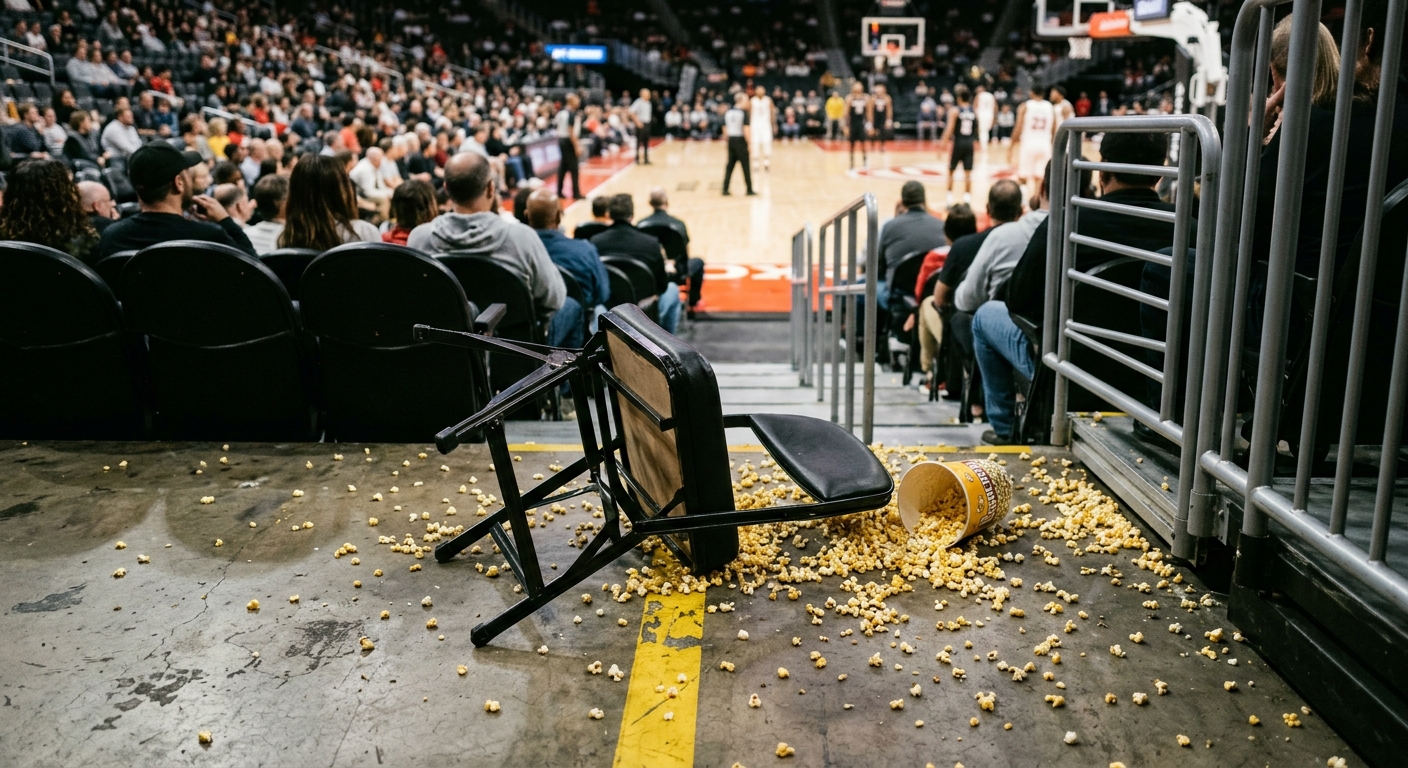
Beyond Michigan, several other athlete fan incidents have captivated the sporting world. In 1995, NBA player Vernon Maxwell entered the stands and punched a fan after sustained verbal taunting—earning him a hefty fine and a suspension. In 2004, Texas Rangers pitcher Frank Francisco threw a chair into the Oakland crowd, seriously injuring a spectator and facing criminal charges. The NHL has witnessed outbreaks too: Toronto Maple Leafs’ enforcer Tie Domi infamously fought a Philadelphia Flyers fan who attempted to climb into the penalty box during a heated game. Each episode illustrates how player suspensions, legal action, and heightened security have become common responses to these volatile sports controversies.
Patterns and Impacts: Examining the Causes
Analysis of these notorious athlete fan incidents reveals recurring patterns: spontaneous reactions to perceived provocation and sustained heckling. While athletes often cite emotional stress and hostile environments as triggers, leagues have responded with stronger penalties to deter future sports altercations. In places like Michigan, local teams and stadium officials have invested in enhanced crowd management protocols and staff training, aiming to curb fan violence before it escalates. Such efforts reflect a collective determination to balance spirited competition with mutual respect between fans and athletes.
Lasting Legacies and Changing Attitudes
The ramifications of these confrontations extend far beyond the playing field. Suspensions, legal challenges, and enduring reputational issues have shaped the careers of players involved in headline-grabbing sports fights. For local Michigan communities and sports organizations, each high-profile incident serves as a reminder of the delicate relationship between spectators and players. Ongoing dialogue about responsibility, security, and sportsmanship helps foster safer and more inclusive sporting environments for all involved.
The Way Forward for Michigan’s Sporting Culture
As Michigan continues to reflect on the lessons of events like the ‘Malice at the Palace,’ there is renewed emphasis on cultivating positive fan experiences while upholding strict standards for athlete conduct. These infamous athlete fan incidents, while rare, leave indelible marks on both sports history and regional identity—compelling sports leagues, teams, and communities to collaborate in reducing volatility and promoting respect on both sides of the arena.