- calendar_today October 14, 2026
Michigan Data Centers: Background and Growth
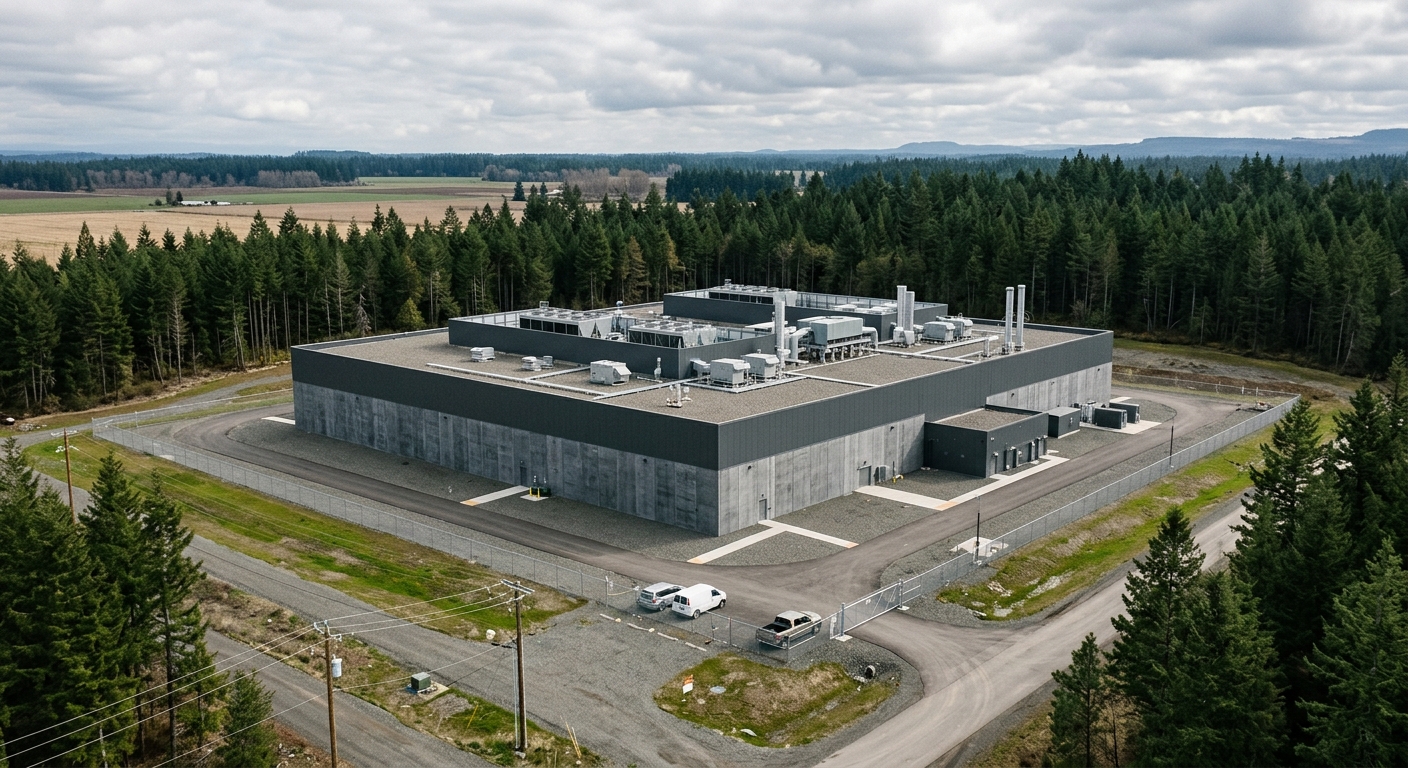
Michigan has seen significant growth in data center projects in recent years, sparking both excitement and concern. While these facilities have existed in the state for decades, the current wave involves much larger, so-called hyperscale data centers developed by tech giants like Oracle, Google, and Microsoft. These new centers demand enormous energy resources and occupy hundreds of acres, a marked change from traditional, smaller data centers serving localized computing needs.
Estimates suggest that more than 70 commercial data centers already operate across the state, forming a crucial part of Michigan's digital infrastructure. New proposals, such as Oracle's 1.4-gigawatt facility in Saline Township and Google's 282-acre project in Van Buren Township, are part of a nationwide trend where companies aim to build infrastructure capable of supporting advanced artificial intelligence (AI) technologies and large-scale digital services.
Community Response and Data Center Regulation
Many Michigan residents remain wary, voicing concerns about the environmental impact, transparency, and influence of major corporations on local decision-making. As a result, more than 30 communities have issued moratoriums on data center development. Some residents feel that large tech companies are targeting areas with fewer regulations and have, at times, overridden community opposition through legal means.
Experts recommend that local governments update general industrial development ordinances rather than creating data center-specific policies. Legal battles, such as one between Saline Township and Oracle developers, have highlighted challenges communities face when attempting to maintain control over land use decisions.
Electricity Rates and Data Center Energy Use
Among the most discussed topics is data center energy use and its potential impact on residential electricity rates. Although Michigan's energy rates are among the highest in the Midwest, experts say this trend is currently unrelated to data center activity. Factors such as grid improvements, decarbonization, and rising equipment costs play larger roles.
Utilities and state regulators have implemented measures to ensure that large data centers pay for any infrastructure upgrades resulting from their excessive energy demands. Two major projects—in Saline and Van Buren Townships—have agreed to fund these upgrades, protecting ratepayers from cost increases. However, with anticipated increases in demand, experts caution that shared grid improvements could increase costs if not carefully regulated. Data centers' share of U.S. electricity consumption could grow from 4.4% in 2023 to 11.8% by 2030.
Data Center Environmental Impact
The data center environmental impact is another major point of contention. While the water usage of these centers varies—some facilities use millions of gallons daily, while others use very little—concern exists over potential water resource depletion and pollution. Google’s proposed Van Buren Township site, for example, could use up to 3.6 million gallons of water per day, although the overall industrial water use in Michigan is much higher.
Greenhouse gas emissions are also a concern, as Michigan’s grid currently relies heavily on fossil fuels. Experts warn that unless data centers procure their own clean energy, increased energy use for data centers could lead to higher emissions. Additionally, data center noise pollution, primarily from cooling systems and backup generators, has prompted complaints and even lawsuits from nearby residents. Studies show facility noise can reach as much as 96 decibels inside and exceed recommended outdoor levels for continuous exposure.
Economic Benefits and Local Revenues
Supporters claim that investment in michigan data centers could spur economic development and provide long-term data center tax revenue for municipalities. For example, Van Buren Township is expected to receive over $23 million in revenue from the Google project over 13 years. However, while construction brings temporary job growth, ongoing employment is mainly in maintenance and security. Experts note that while local tax revenues may increase, estimating the full economic benefit is complicated by factors such as property tax abatements and equipment depreciation.
The Path Forward: Regulation and Local Engagement
The debate over data center regulation in Michigan is likely to continue as both proponents and critics adapt to changing technologies and project proposals. Experts advise that communities balance economic opportunities against environmental and social concerns, updating regulatory frameworks to address the unique challenges posed by hyperscale facilities. As the growth of AI and cloud services accelerate demand for these projects, continued public engagement and informed policymaking will be critical in shaping the future of Michigan's digital infrastructure.
Source: bridgemi.com.