- calendar_today October 14, 2026
Republican Voters Express Discontent Over Trump Tariffs
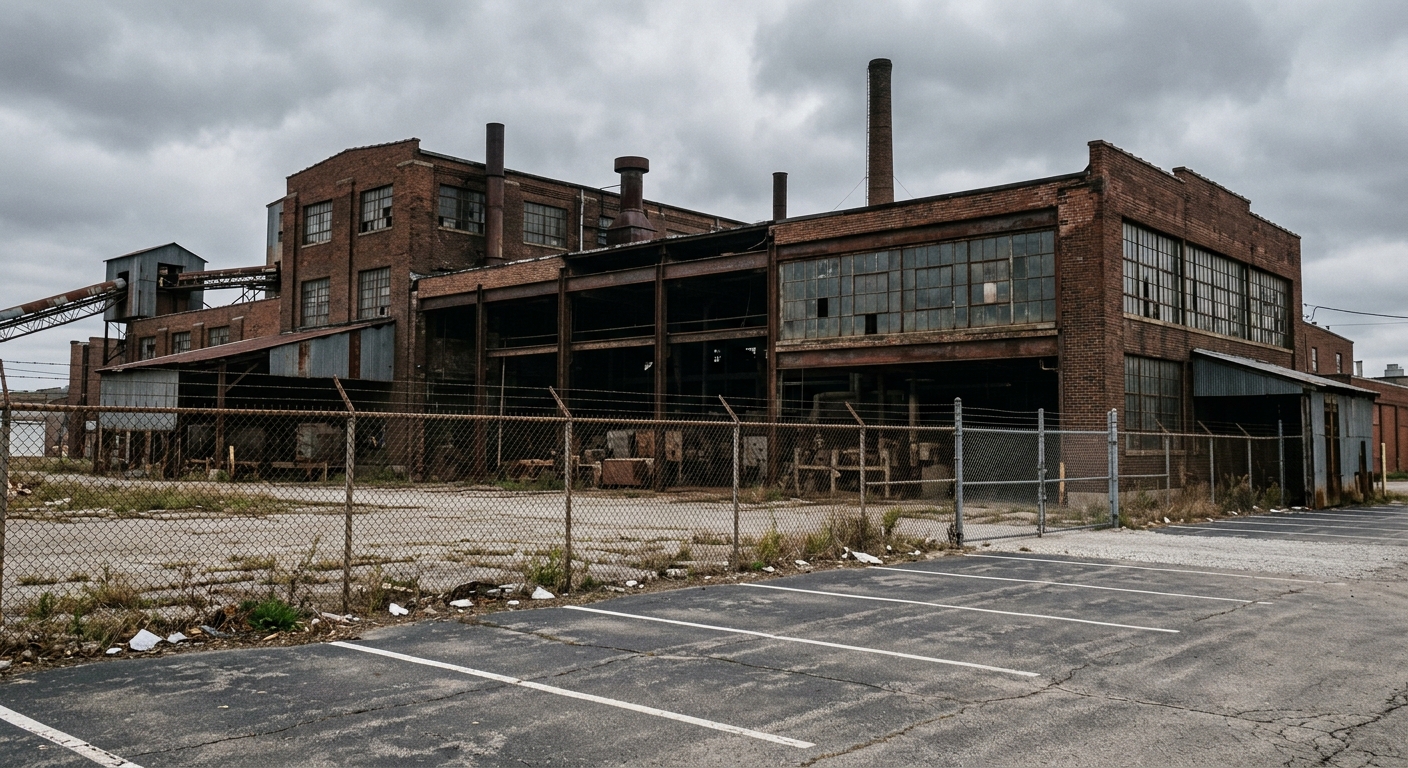
Nelson Vandermeer, a longtime Republican voter from Michigan, became disillusioned with the GOP after losing his job as a product designer at Howard Miller, a century-old clockmaker in Zeeland, Michigan. The company closed its factory and laid off nearly 200 workers after struggling with tariffs on imported parts — a policy championed by former President Donald Trump. Vandermeer’s personal experience with job loss has influenced his political choices; he now plans to vote for Democrats in the upcoming midterm elections. "So much for bringing jobs back," Vandermeer remarked, reflecting the sentiment shared by many workers adversely affected by Trump’s economic agenda.
Tariffs and Economic Impact in Key Battleground States
The GOP is facing escalating criticism in battleground states as workers and families feel the direct consequences of Trump tariffs. In Michigan’s 4th Congressional District, represented by Republican Bill Huizenga, job losses have become a contentious election issue. Huizenga initially backed Trump’s strategy, stating that tariffs were necessary for supporting domestic manufacturing, but recently acknowledged their broader economic effects. His Democratic opponent, Sean McCann, has attacked him for not supporting efforts to regulate such import tariffs.
Similar patterns are emerging in other battleground states. In Iowa, Tracy Chew and her family lost their jobs at a Case backhoe plant in Burlington, leading her to consider voting for Democrats again after feeling let down by Trump’s trade policy. Additionally, Winnebago Industries, an RV manufacturer, cut 200 jobs following surges in the cost of importing steel, aluminum, and electronics.
Job Losses and Political Consequences Across the Midwest
Trump’s tariffs have influenced the employment landscape in states like Kansas and Ohio as well. In Kansas, appliance manufacturer Vornado Air laid off over 70 workers due to increased prices for imported parts. The threat of losing more jobs also looms over Canadian jet maker Bombardier’s operations in the state, as Trump has threatened to ban its sales in the U.S. unless it shifts production domestically. These economic challenges have heightened political tensions ahead of the elections, with Democratic candidates aiming to capitalize on worker frustrations.
Mixed Reactions Among Workers and Economists
While Trump has maintained that his broad tariffs would spur a U.S. manufacturing renaissance, the promised resurgence has not materialized. White House spokeswoman Taylor Rogers cited increases in factory construction and manufacturing output, suggesting long-term job growth, but many workers remain skeptical as current manufacturing employment remains below 2025 levels.
According to a September poll by the Associated Press-NORC Center for Public Affairs Research, only about 3 in 10 U.S. adults now approve of Trump’s handling of trade negotiations, down from 4 in 10 earlier in the year. Economists assert that tariffs often harm more than help; Ernie Goss of Creighton University notes that while job losses are significant, it remains uncertain if this will lead to widespread GOP setbacks at the polls.
Union Leaders and Local Workers Express Frustration
Union leaders like Wendell Young in Pennsylvania are observing a shift in political attitudes among workers. He found that after several factories, including those operated by Post Holdings and Trivium Packaging, announced layoffs due to tariffs, workers were less willing to defend Trump’s trade policy. Heather Kingston, a former Post Holdings worker, echoed concerns about the lack of new manufacturing jobs replacing those lost due to tariffs. She, like others, is reconsidering her support for GOP candidates in upcoming elections.
Looking Ahead to the Midterm Elections
As the midterm elections approach, the GOP is grappling with the political consequences of Trump’s trade policy. In addition to concerns about persistent inflation and international conflicts, the backlash from factory workers and their families over job losses is posing a significant challenge for Republican candidates in competitive districts. The economic impact of import tariffs continues to shape voter preferences and the broader political landscape in the Midwest and beyond.
Source: bridgemi.com.