- calendar_today August 7, 2025
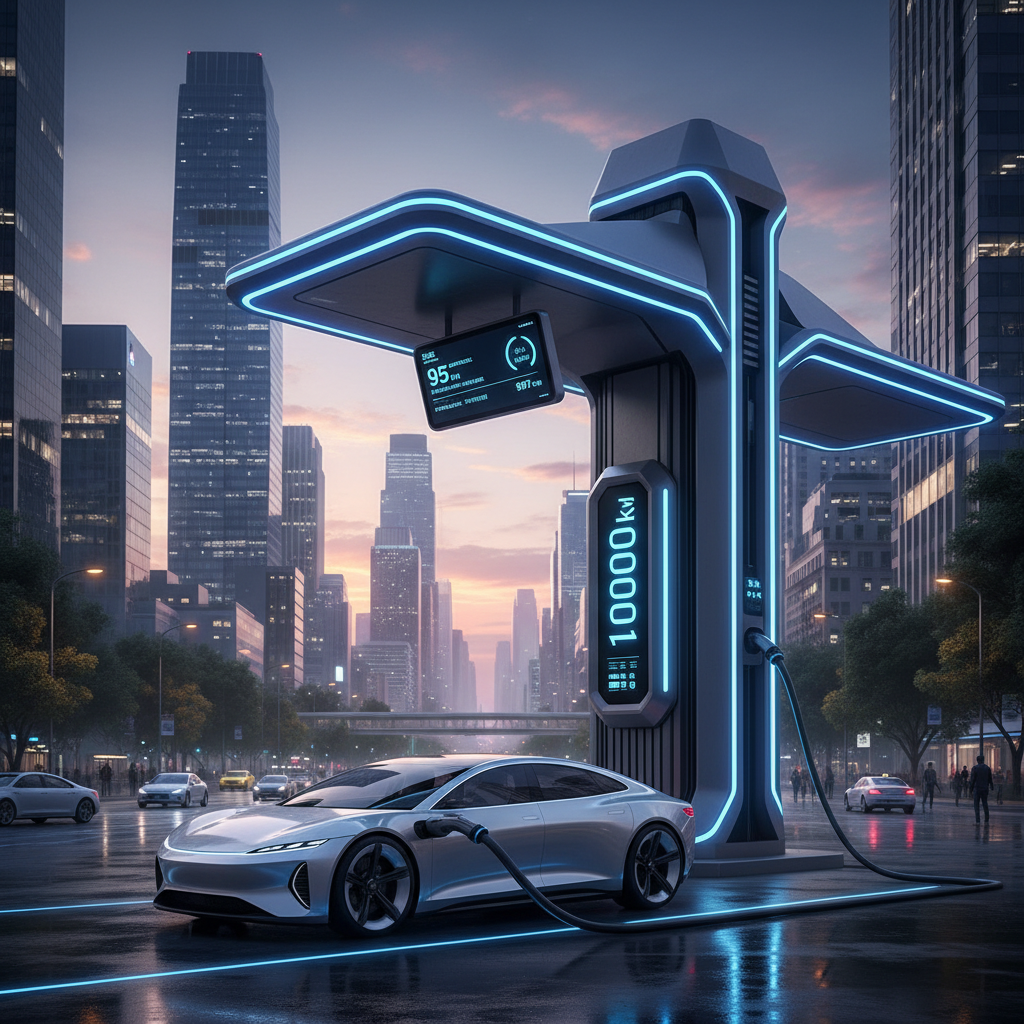
The introduction of BYD’s new 1,000 kW charging system showcases a major advantage for Chinese electric vehicle makers in the fast-charging sector. The breakthrough technology combines a “super e-platform” with 10C charging capabilities to deliver 249 miles (400 km) of range within five minutes. Current industry standards fall short when compared to this breakthrough because Formula E’s top chargers reach only 600 kW while Tesla’s best Superchargers deliver just 250 kW. China’s advancements in EV charging technology place it at the leading edge yet political hurdles limit its influence on the global market including the United States.
BYD’s leading edge comes from its combination of 10C charging capability and 1,000 kW output power. The combination enables rapid EV charging which significantly minimizes refueling times to meet consumer needs. BYD chairperson Wang Chuanfu declared their objective to achieve EV charging speeds comparable to gasoline car refueling as part of their mission to transform the EV driving experience. BYD intends to install more than 4,000 megawatt chargers throughout China to support its Han L sedan and Tang L SUV models.
The Technological Advantage: 10C Charging and 1,000 kW Output
The ability to charge at 10C with 1,000 kW output creates a major technological advantage for China’s electric vehicle manufacturers. This development improves the ease of owning an electric vehicle while establishing unprecedented charging speed standards. Fast charging that boosts the driving range in minutes should increase electric vehicle adoption by reducing range anxiety and long charging times which frequently discourage customers. The recent development of the super e-platform marks a significant advancement in battery technology. The combination of this new technology with the latest chargers represents a major advancement for the electric vehicle sector.
US Market Barriers: Political Resistance and Protectionism
BYD exhibits strong technological capabilities yet faces significant political barriers that limit its ability to enter the US market. Congressional members across political affiliations have taken action to block Chinese EV manufacturers from establishing a presence in the US market. Political resistance arises from fears about national security threats and economic rivalry and efforts to protect domestic manufacturers. The protectionist approach erected substantial barriers that prevent advanced Chinese EV technologies from entering the US market and obstruct the nation’s EV evolution.
American consumers will not have immediate access to BYD’s advanced charging technology because of political opposition. Major automakers operating in the United States may still be able to obtain licenses for this technology. The current political climate might create obstacles to establishing these technological licensing agreements.
Navigating Range Standards and Potential Licensing
Recognizing the differences between range estimation standards remains essential. BYD’s 249-mile range is calculated using the CLTC standard which yields higher figures than those from the US-based EPA standard. The range that vehicles achieve under EPA testing will probably be less compared to other standards.
Even though political barriers and different range standards present challenges, licensing BYD’s technology continues to hold potential as a viable solution. The implementation of licensing agreements would enable the US to adopt advanced charging standards which would close the technology gap and make rapid charging accessible to more users. US consumers would gain access to advanced charging technology through this arrangement.
Chinese EV manufacturers gain a substantial competitive advantage from BYD’s 1,000 kW charging technology. The global market impact of this innovation in the US depends on resolving political issues and aligning with varying range standards.