- calendar_today August 10, 2025
Recent events in U.S. trade policy have been on the radar of Michigan’s business sector. The Dow Jones Industrial Average saw a quick spike, gaining almost 600 points, after President Donald Trump announced a softer stance toward the looming tariffs on April 2. This move has deep meaning for Michigan’s economy, specifically its manufacturing and export industries.
Understanding the Tariff Flexibility
President Trump had originally envisioned imposing sweeping tariffs on many imports, safeguarding local businesses against overseas competition. Now, with recent comments, there is a shift toward a more moderate plan, possibly excluding some sectors and targeting retaliatory tariffs at particular countries. That softer line is intended to soften possible adverse effects on the American economy while attacking trade imbalances.
Effect on Michigan’s Manufacturing Industry
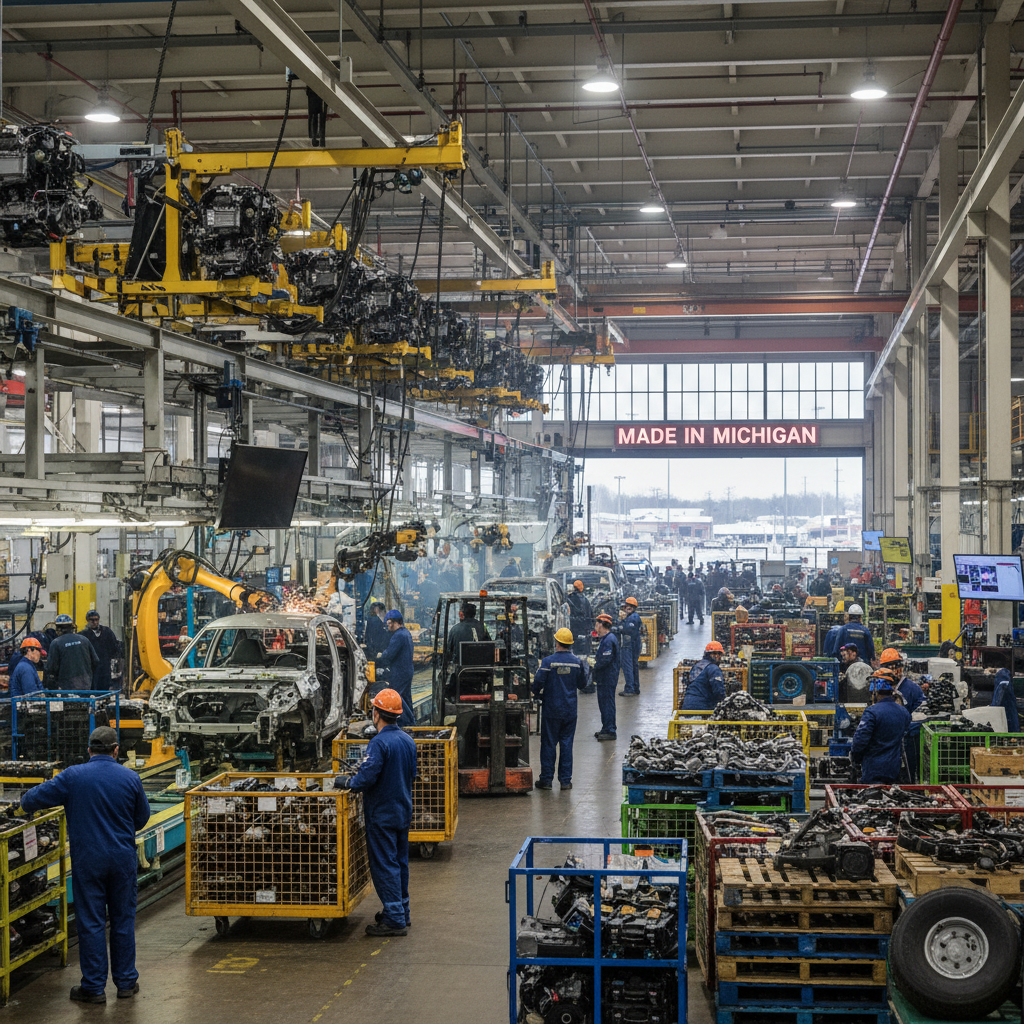
Michigan’s economy is reliant on manufacturing, especially the automotive sector. Its manufacturers rely on a complex supply chain consisting of domestic and foreign suppliers. The specter of huge tariffs had put fears of rising production costs and possible disruptions in motion. The shift in administration to a more discerning tariff imposition brings relief to these companies, indicating that the most essential pieces and inputs would not be.
Reaction of Michigan Business Leaders
Michigan business leaders have taken the news with guarded optimism. The majority of them accept that although the specter of blanket tariffs had hung over planning and investment, the recent turn of events offers a clearer vision. Companies are now reassessing plans, looking for potential opportunities in a more stable trade environment.
Financial Markets and Investor Sentiment
The positive reaction of the stock market thus symbolizes broader investor sentiments that favour predictability and stability. For the Michigan companies, this rise in the Dow Jones would translate into signals of potential economic resilience. Investors most likely interpret the eased tariffs as a sign of the administration’s responsiveness to business needs, thereby allowing for either continued or increased investments in the area.
Potential Challenges Ahead
Holding much hope, there seem to be challenges. The specifics of the retaliatory tariffs are unclear, leaving some wondering just what industries or products may be included. Therefore, Michigan companies need to stay alert and closely monitor policy developments so they can adapt operations appropriately.
Strategic Responses from Michigan Businesses
Changes in trade policy have led to varied strategic responses by Michigan businesses:
- Supply Chain Diversification: To minimize risks related to possible tariff threats, companies are looking for alternative suppliers, both locally and abroad.
- Advocacy and Involvement: Business organizations are engaging policymakers more intensely in order to guarantee Michigan industries get their interests represented in trade talks.
- Investment in Innovation: Firms are concentrating on innovation in a bid to become more competitive, curbing imports and setting their footprint on the global scene.
Conclusion
The current rising trend in Dow Jones futures, triggered by the implications of tariff flexibility, has provided Michigan companies with a optimistic but prudent attitude. Despite uncertainty, Michigan companies are already operating in advance to make the necessary adjustments in the changing world of trade in order to enjoy benefits as well as avoid unnecessary risks.