- calendar_today April 14, 2026
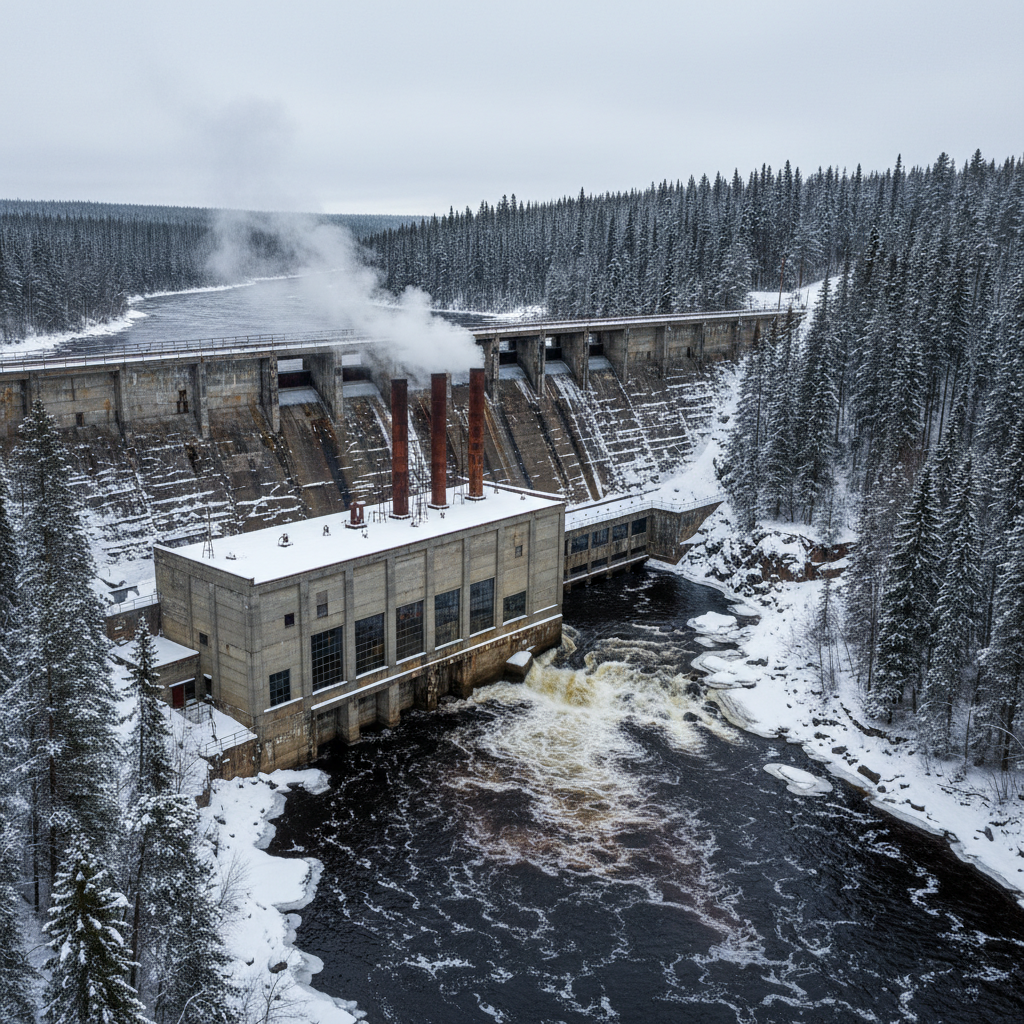
Michigan — The Cheboygan Dam, a critical water management structure in northern Michigan, is under intense scrutiny as officials cite urgent concerns over its safety and long-term viability. Once a reliable safeguard against flooding, the cheboygan dam now sits at the center of an escalating crisis involving ownership disputes, aging infrastructure, and heightened flood risk to surrounding communities.
Complicated Dam Ownership Hinders Quick Action
At the heart of the issue lies dam ownership. The structure is jointly controlled by the Michigan Department of Natural Resources and Hom Paper XI LLC, a private entity that also possesses the adjacent hydropower plant. Since a severe fire in 2023 rendered the powerhouse inoperable, both parties have struggled to coordinate necessary repairs. The complexity of this shared oversight has slowed decision-making and overall maintenance, amplifying the risk of dam failure.
Hydropower Plant Shutdown Raises Flood Risk
The shutdown of the hydropower plant has reduced the dam’s overall water flow capacity by nearly 30 percent. With the hydropower plant offline, the dam’s ability to pass water effectively during high volume events has been significantly limited. This loss is especially concerning as rising waters from ongoing storms in northern Michigan test the system’s already diminished capabilities. Experts warn that failure to restore functionality could exacerbate flood risk to low-lying areas and downstream stakeholders.
Dam Safety Under Federal Scrutiny
The federal regulatory commission stepped in months ago, mandating urgent repairs to bring the Cheboygan Dam into compliance with modern standards. Despite repeated deadlines, progress remains slow as Hom Paper XI LLC seeks a buyer for its share of the asset, requesting multiple extensions. Regulators emphasize that current spillway structures cannot safely handle a probable maximum flood—a benchmark event that defines dam safety protocols nation-wide. Experts emphasize that expanding spillway capacity is essential, but costly—upgrades are projected to run into the millions.
Upgrades and Emergency Measures Underway
Authorities have begun implementing temporary measures to strengthen the dam and avoid overtopping. Engineering teams hope to soon restore the powerhouse to operational status as a short-term fix while larger, permanent infrastructure investments are evaluated. The challenges facing the Cheboygan Dam are emblematic of broader issues surrounding aging dam infrastructure across Michigan, where many similar facilities have outdated designs and insufficient safety standards.
Environmental Impact and Recreational Concerns
While experts note that any dam failure at Cheboygan is unlikely to be as catastrophic as other historical dam collapses in the state, the consequences would still be significant. Water levels in interconnected lakes such as those used for fishing and boating could fall sharply, inflicting lasting environmental impact and curtailing local recreational activities. Northern Michigan’s economy—reliant on tourism and healthy waterways—stands to suffer if the crisis escalates.
Climate Change and Calls for Reform
The situation at the Cheboygan Dam highlights Michigan’s vulnerability to increasingly extreme weather driven by climate change. Rising rainfall and unpredictable storm patterns further stress already frail infrastructure, and officials are pushing for stronger regulatory oversight. Community leaders and engineers alike agree that meaningful investment in modern materials, improved dam infrastructure, and proactive planning are critical for safeguarding not just the Cheboygan Dam but all high-risk water barriers throughout the region.
Looking Ahead: A Regional Challenge
The Cheboygan Dam’s current predicament serves as a wake-up call for regions across northern Michigan. As the state weighs policy and funding options, local residents and environmental advocates are urging swift action to protect lakes, communities, and industries tied to reliable water management. How officials resolve these urgent infrastructure challenges will likely influence future approaches to dam ownership, safety, and environmental stewardship statewide.