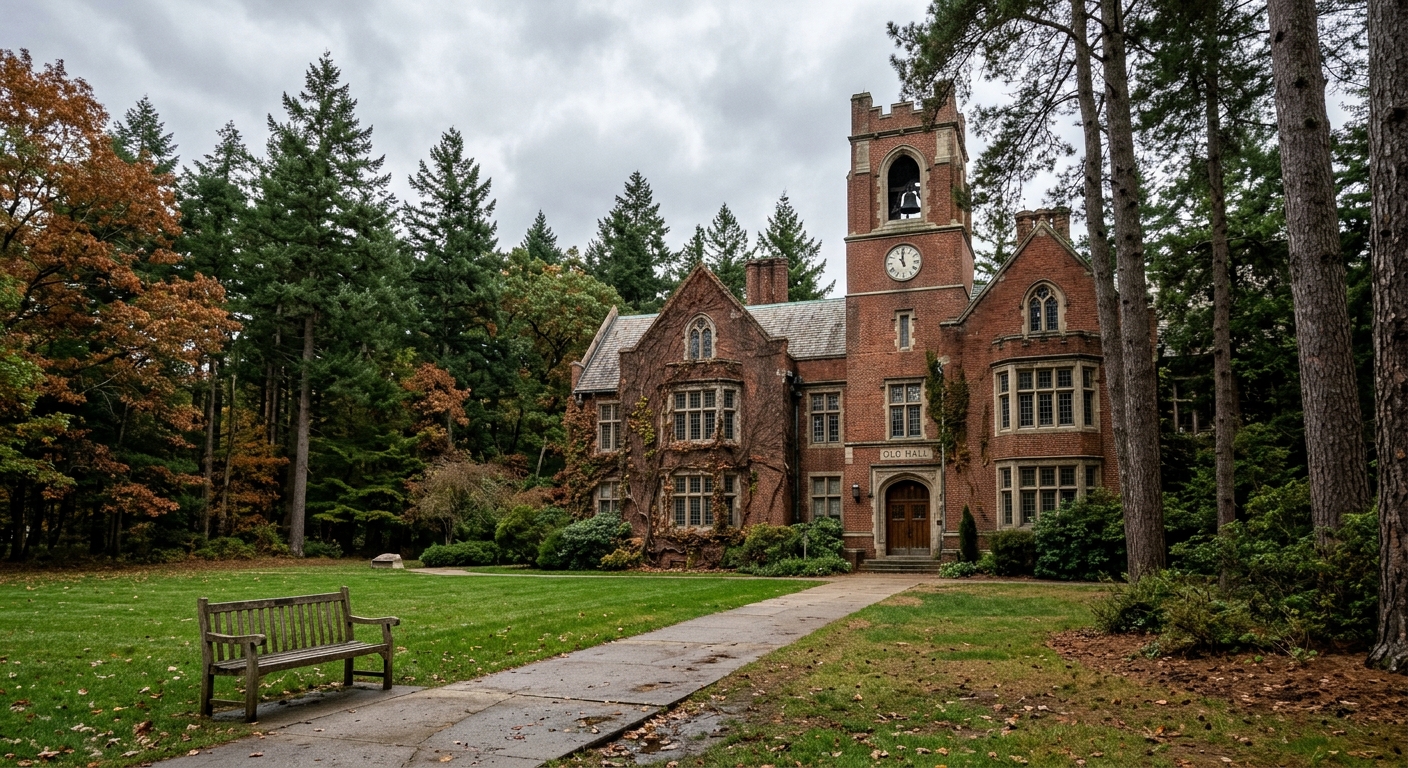
AI-generated illustration; not a photograph of the reported event.
- calendar_today October 29, 2026
Rural Universities Ask for Access to Free Tuition Program
Four of Michigan’s public universities—Ferris State University, Northern Michigan University (NMU), Lake Superior State University (LSSU), and Michigan Technological University—are pressing state lawmakers to grant them access to the Community College Guarantee. This free tuition program currently provides aid only to students attending community colleges, but these universities argue that their students in remote regions also deserve support.
Associate Degrees in Rural Regions
In Michigan’s Upper Peninsula and other rural areas, the challenge of long commutes to community colleges has prompted these four universities to offer associate degrees and skills certificates, often acting as de facto community colleges for local students. Ferris State, located in rural west Michigan, has been granting associate degrees and certificates alongside bachelor’s degrees since the 1950s. These universities are unique among the state’s 15 public universities for their associate degree offerings.
Costs and Funding Concerns
Proposals to expand the michigan community college guarantee to include public universities have raised concerns about higher education funding. According to the Michigan House Fiscal Agency, annual tuition for 30 credit hours at universities is about three times higher than at community colleges. If all eligible students enrolled in associate degree programs at the four universities, estimates suggest the state could face $18 million to $20 million in additional tuition costs each year. Brandy Johnson, president of the Michigan Community College Association, called the potential expansion “very expensive.”
The Push for Policy Change
The universities’ effort coincides with Michigan’s goal to ensure 60% of residents hold a postsecondary credential by 2030—a target advocates worry the state is not on track to meet. Ferris State President Bill Pink notes that their institutions are located in ‘community college deserts’ and that rural students lose out under the current system. "Our students don’t get a chance to take advantage of the Community College Guarantee. That’s not fair," said Pink. Ferris officials have begun conversations with lawmakers like state Rep. Tom Kunse, who represents the area around Ferris and supports removing geographic barriers for students.
Possible Solutions for Expanding Access
The Community College Guarantee, first offered in fall 2024, is part of the Michigan Achievement Scholarship and covers remaining tuition costs after federal aid and other scholarships. For 2024–25, it provided nearly $46.6 million in aid to over 20,000 students, with average awards of $2,327. Some, including Ryan Fewins-Bliss of the Michigan College Access Network, suggest a compromise where universities discount their tuition for associate degrees in exchange for access to the guarantee. "If the four-years are willing to discount their programs to get access to the Community College Guarantee, I think that’s a fair tradeoff," said Fewins-Bliss.
Impact on Rural Workforce and Economy
Community leaders argue that expanding the program would support workforce development in areas facing population decline and labor shortages. Zack Sedgwick, superintendent in Marquette, and Sarah Dixon, president of the Big Rapids Regional Chamber, emphasized the importance of retaining young talent locally to sustain healthcare, law enforcement, and trades jobs. "In order to keep our current businesses here, we need to support them with workforce and talent," Dixon explained.
Universities’ Role in Associate Degree Education
In 2024, Ferris, NMU, LSSU, and Michigan Tech awarded 5% of all associate degrees in Michigan, with Ferris leading at 750 degrees that year. In the Upper Peninsula, the three universities collectively granted 419 associate degrees, nearly matching the local community and tribal colleges.
Daniel Hurley, CEO of the Michigan Association of State Universities, stated, “Those institutions have historically served, given their geography and location, a community college mission.”
Next Steps
As enrollment declines at many Michigan colleges and universities, officials maintain that expanding the free tuition program is focused on promoting education equity, not just boosting numbers. Ferris spokesman Dave Murray said the goal is to ensure all students, regardless of geography, have access to quality education opportunities similar to those in areas served by community colleges.
Source: bridgemi.com.